29+ Google reviews
Cold weather pushes pests such as ants, roaches, rodents, and bed bugs to seek warmer environments, making winter an important time for homeowners to strengthen preventive practices. Integrated pest management, also known as IPM, provides a structured approach that protects families while minimizing unnecessary exposure to chemicals. This method focuses on inspection, sanitation, and targeted treatment, helping reduce pest activity at the source rather than relying on repeated product applications. By understanding how integrated pest management works, homeowners can maintain a healthier and safer living environment throughout the winter season.
Winter conditions increase pest pressure because dropping temperatures limit food availability outdoors. Rodents search for shelter inside walls, roaches move toward humid indoor spaces, and ants look for consistent warmth. IPM addresses these behaviors through a combination of monitoring, exclusion, and environmental correction. These strategies create effective long-term results and support a safer home throughout the cold months.
Why IPM Is Essential During the Winter Season
Integrated pest management becomes especially important during winter because pest behavior changes as soon as temperatures begin to fall. Many pests that stay outdoors during warmer seasons now look for small structural gaps, damaged seals, and openings around utility lines to move inside.
Key winter challenges include:
- Rodent intrusion: Mice and rats squeeze through extremely small gaps in search of warmth and shelter. Without preventive measures, they can establish nests within days.
- Roach survival needs: Cockroaches seek moisture and stable temperatures, often settling in kitchens, basements, and bathrooms during winter.
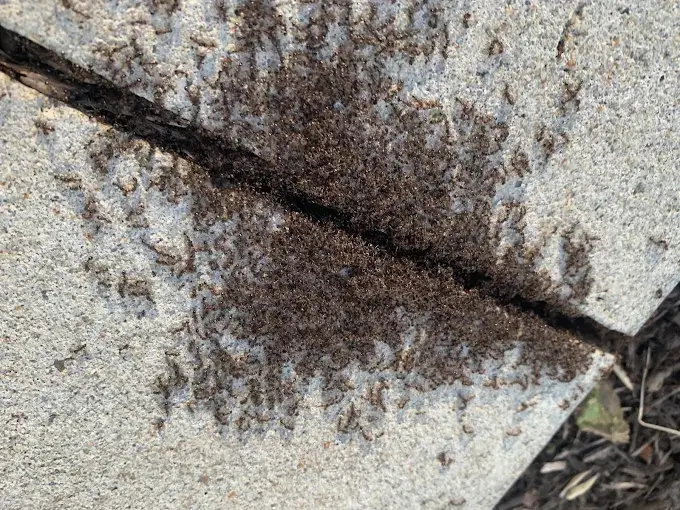
- Ant foraging patterns: Ants remain active in heated buildings and form trails toward food sources that are easier to reach indoors than outdoors during cold months.
- Hidden bed bug activity: While not seasonal, bed bugs spread more easily during winter travel and indoor gatherings.
IPM helps address these risks by identifying the conditions that attract pests in the first place and correcting them before activity spreads.
Core Principles of Integrated Pest Management
Understanding the foundation of IPM helps homeowners see how safe, practical, and scientifically backed this approach is. Instead of treating pests as isolated incidents, integrated pest management evaluates the entire environment to determine why pests are appearing and how to prevent long-term recurrence.
The main principles include:
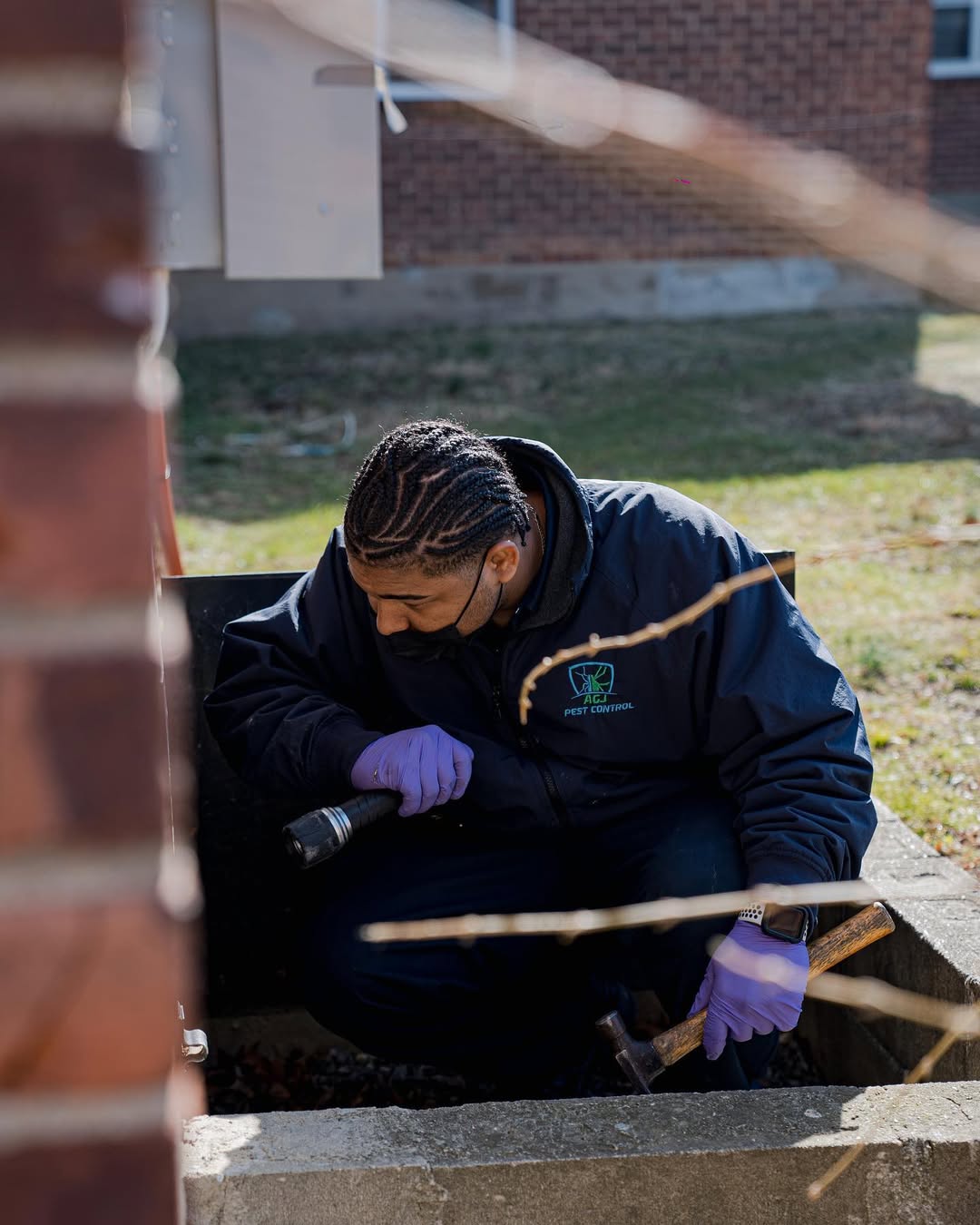
- Inspection: A detailed evaluation helps identify pest entry points, food sources, and potential nesting areas. Winter inspections often reveal structural openings that have expanded due to cold weather.
- Monitoring: Sticky traps, visual checks, and scheduled inspections help track pest activity instead of relying solely on symptoms like droppings or sightings.
- Prevention: Sealing cracks, adjusting sanitation practices, reducing indoor humidity, and storing food properly create unfavorable conditions for pests.
- Targeted treatment: When necessary, products are applied only where activity is confirmed, reducing chemical exposure and improving treatment efficiency.
These principles work together to create a safer, controlled environment that discourages pests from settling indoors.
How IPM Reduces Chemical Exposure and Protects Families
One of the strongest advantages of IPM is its focus on minimizing unnecessary treatments. Winter is a time when doors and windows remain closed for long periods, limiting ventilation and increasing concerns about indoor air quality. Integrated pest management supports family safety by prioritizing non-chemical methods and using targeted treatments only when conditions require additional intervention.
Benefits of this approach include:
- Less airborne residue: Targeted placement and reduced product use help keep indoor air cleaner for children, pets, and individuals with sensitivities.
- Focused application: Treatments occur only in specific areas that show confirmed pest activity, ensuring effective control without covering large interior surfaces.
- Environmental responsibility: By reducing reliance on chemical treatments, IPM limits the impact on indoor and outdoor ecosystems.
- Long-term prevention: Environmental corrections make the home less attractive to pests, decreasing the need for frequent treatments.
These strategies help homeowners maintain peace of mind throughout the winter season, especially when indoor spaces are used more frequently for family gatherings and daily activities.
Practical IPM Steps for Winter Pest Prevention
Winter pest prevention is most effective when homeowners combine good maintenance routines with professional evaluation. Several steps play a meaningful role in discouraging pests from entering or thriving indoors during cold months.
Helpful winter practices include:
- Seal exterior openings: Filling gaps around windows, doors, siding, and utility lines prevents rodents and insects from entering the home.
- Reduce indoor moisture: Fixing leaks, improving ventilation, and using dehumidifiers helps deter roaches and ants that rely on damp environments.
- Improve sanitation habits: Cleaning crumbs, storing food in sealed containers, and removing clutter minimize available food sources.
- Inspect vulnerable areas: Basements, attics, and kitchens should be monitored for droppings, grease marks, or insects hiding behind appliances.
- Repair structural damage: Cracks, loose trim, or damaged door sweeps increase winter pest access and should be addressed promptly.
These steps align with the foundational elements of integrated pest management and strengthen your home’s defenses during the cold season.
Why Professional IPM Services Improve Winter Protection
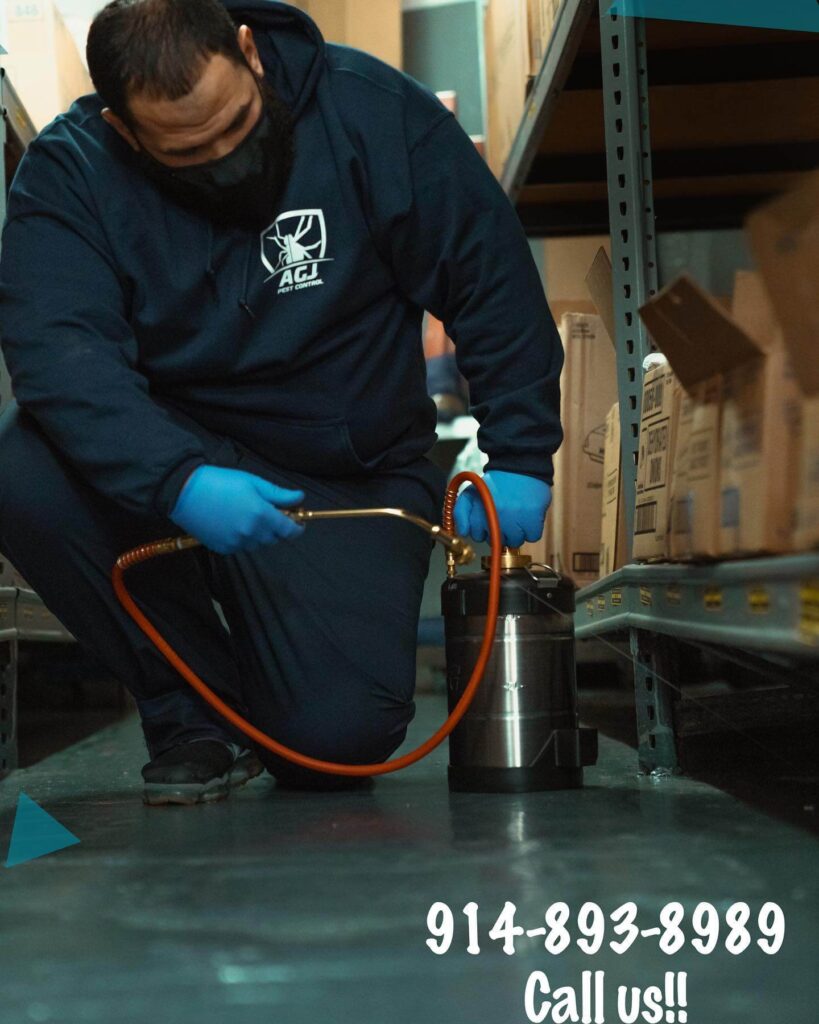
While many homeowners can carry out basic preventive measures, winter pest pressures often require professional insight to address fully. Experts understand how pests behave when temperatures drop and know where to look for signs that inexperienced observers may overlook. Winter inspections conducted by trained professionals can reveal hidden entry points or early-stage infestations that DIY methods fail to detect.
Professionals also have access to tools and equipment designed specifically for monitoring and targeted treatment. Because integrated pest management relies on accurate evaluation, expert guidance ensures that every corrective action contributes to long-term protection. By combining homeowner awareness with professional IPM services, families can maintain safer and more comfortable living conditions throughout the winter.
Strengthen Your Home with Trusted Winter Protection
For seasonal pest prevention rooted in integrated strategies, connect with AGJ Pest Control to safeguard your home this winter.