29+ Google reviews
Spring in New York marks a transition that goes beyond weather. As temperatures rise and moisture increases, pest activity begins to accelerate. Ants emerge in search of food, cockroaches become more active in damp spaces, rodents expand their movement, and bed bugs remain persistent indoors. These shifts make spring pest control a critical step in maintaining a clean and protected home.
Unlike sudden infestations, spring pest problems often build gradually. Small signs, such as occasional sightings or minor damage, can signal larger activity behind walls or beneath surfaces. Taking early action allows homeowners to manage conditions before pests establish themselves more firmly.
A structured approach to spring pest control focuses on preparation, awareness, and consistency. By addressing both indoor and outdoor factors, it becomes possible to reduce risk and maintain a more controlled environment throughout the season.

Recognizing Early Signs Of Spring Pest Activity
The first step in effective spring pest control is identifying when activity begins. Many pests do not appear in large numbers right away. Instead, they reveal their presence through subtle changes in the home.
Common early indicators include:
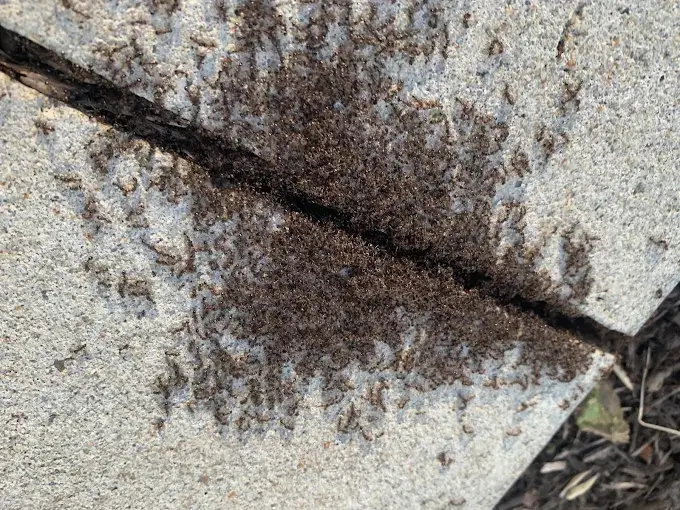
- Ants appearing in kitchens or along baseboards
- Small droppings or gnaw marks associated with rodent activity
- Musty odors or sightings of cockroaches in humid areas
- Unexplained bites or signs linked to bed bug presence
These signs are often overlooked because they seem minor or temporary. However, repeated occurrences usually indicate that pests are becoming established.
Understanding these early signals helps homeowners respond before infestations spread. It also provides insight into where pests are most active, allowing for more targeted attention.
Securing Entry Points Around The Home
Preventing pests from entering is one of the most effective ways to manage spring activity. Even well-maintained homes can have small openings that allow insects and rodents to get inside.
Focus on these areas during inspection:
- Cracks and gaps around windows and doors
- Openings near pipes and utility lines
- Damaged weather stripping that no longer seals properly
- Small holes or gaps along the foundation
These entry points are often difficult to notice at first. Over time, however, they become pathways that pests use repeatedly.
Sealing these gaps reduces the likelihood of pests entering and settling indoors. It also supports other pest control efforts by limiting access to protected spaces.
Adjusting Indoor Conditions To Reduce Attraction
Indoor environments play a significant role in determining whether pests remain once they enter. Even if access is limited, favorable conditions inside the home can encourage pests to stay.
Important indoor adjustments include:
- Storing food in sealed containers to limit availability
- Cleaning surfaces regularly to remove crumbs and residue
- Fixing leaks that create moisture in kitchens and bathrooms
- Reducing clutter that provides hiding areas
These steps help create an environment that is less appealing to pests. Without access to food, water, and shelter, pests are less likely to establish themselves.
Consistency is essential. Maintaining these habits throughout the spring season reinforces the effectiveness of other pest control measures.
For a broader understanding of how ongoing care affects pest activity, our resource on routine pest risks explains why regular attention is important.
Managing Outdoor Areas During Spring
Outdoor conditions often determine the level of pest pressure on a home. In spring, increased moisture and plant growth create ideal environments for many pests.
Key outdoor maintenance steps include:
- Removing leaves, debris, and organic material near the foundation
- Trimming plants and shrubs to reduce contact with the home
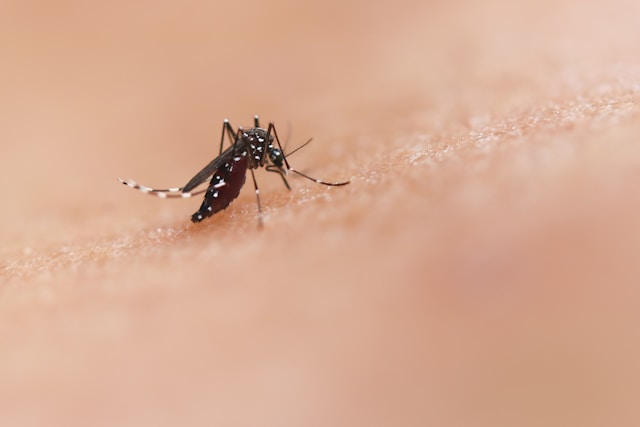
- Eliminating standing water that attracts insects
- Keeping trash areas clean and properly sealed
These actions reduce the factors that draw pests closer to the home. When outdoor environments are well-maintained, pests are less likely to move indoors.
Seasonal changes in New York also influence pest behavior. Moisture levels, temperature shifts, and urban density all play a role in how pests develop and spread. As explored in our recent article on climate pest impact, environmental conditions can significantly affect pest patterns.
Monitoring these changes allows homeowners to anticipate activity rather than react to it.
Why Early Prevention Supports Long-Term Control
Spring pest control is most effective when it focuses on prevention rather than reaction. Addressing issues early helps limit the growth of pest populations and reduces the likelihood of recurring problems.
Pests such as cockroaches and bed bugs can be particularly persistent once established. Ants and rodents may also return repeatedly if entry points and attractants are not addressed.
A comprehensive approach combines inspection, preparation, and ongoing monitoring. While these steps can significantly reduce risk, some infestations extend beyond what is immediately visible. Hidden activity within walls or structural spaces often requires a more detailed evaluation.
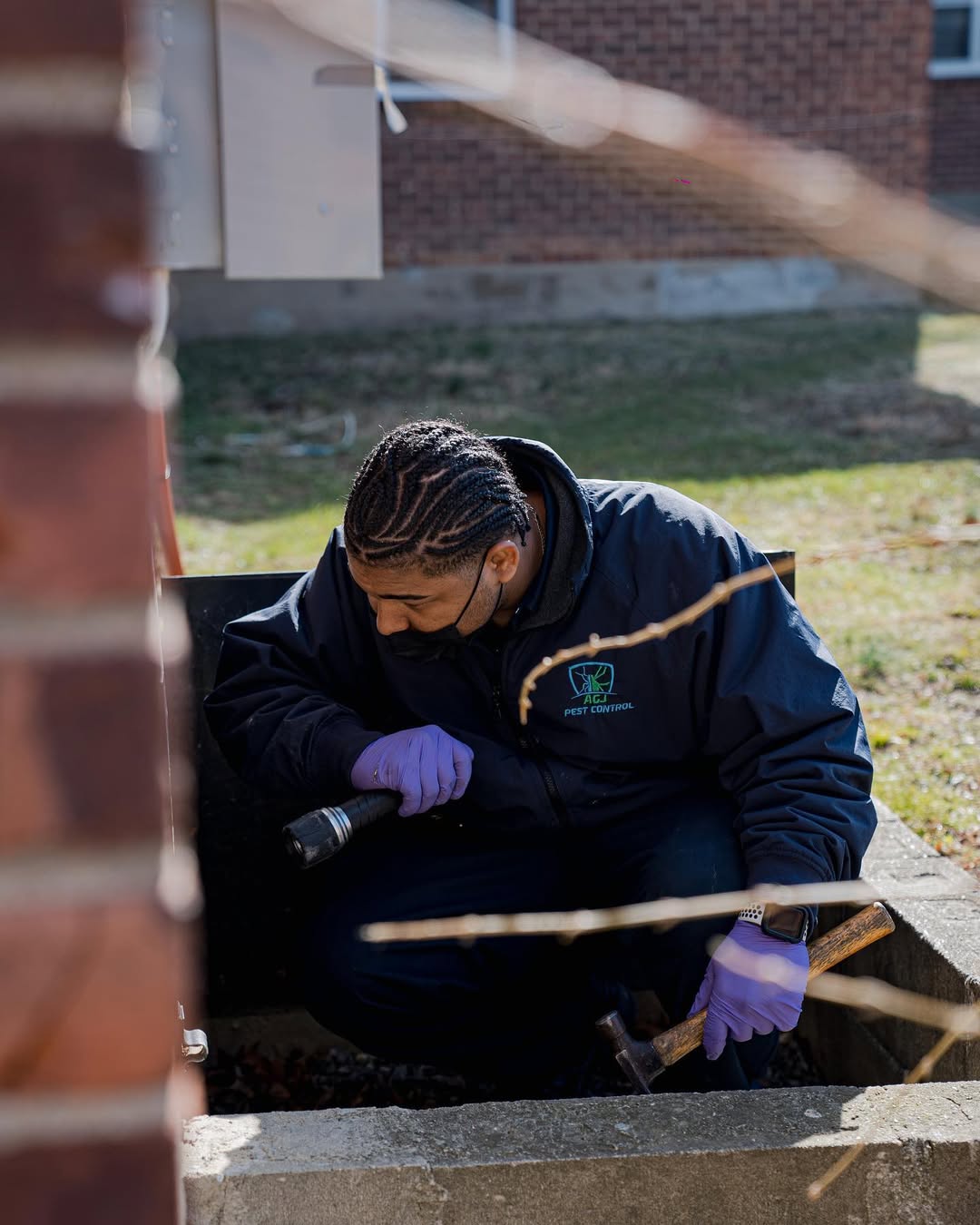
Professional assessment provides a clearer understanding of the situation. It helps identify the extent of pest activity, locate hidden areas, and determine the most effective course of action. This level of precision ensures that both visible and underlying issues are addressed.
Spring pest control is not a one-time task. It is an ongoing process that adapts to changing conditions and supports long-term protection.
Set the tone for a pest-free season
If spring pest activity begins to increase or early signs persist, taking the next step can make a lasting difference. Reach out to AGJ Pest Control to ensure your home is protected with a thorough and reliable approach to pest control.