29+ Google reviews
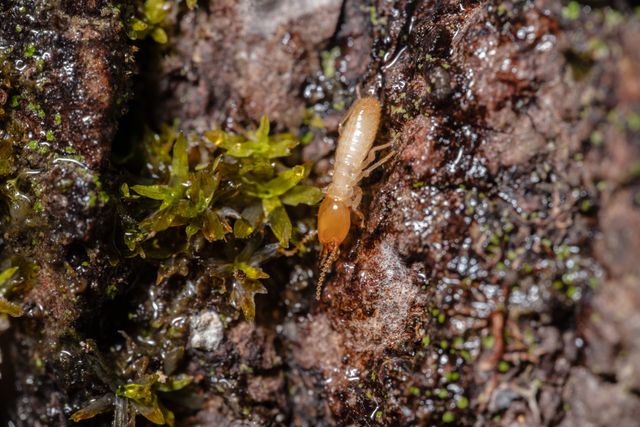
Termites rarely make dramatic entrances. Most infestations begin quietly behind walls, beneath flooring, or inside wooden structures where activity remains hidden for months. By the time visible signs appear, damage may already be spreading throughout the property.
That is one reason termite control often requires more than surface-level treatment. In severe or widespread infestations, fumigation may become necessary to reach termites hidden deep inside inaccessible areas. Unlike localized spot treatments, fumigation targets the entire structure to eliminate active colonies throughout the property.
Many homeowners feel uncertain when they first hear the word “fumigation.” Questions about preparation, safety, timing, and the overall process are common. Understanding how termite fumigation works can help property owners feel more informed before treatment begins.

Why Fumigation May Be Recommended For Termite Control
Not every termite infestation requires fumigation. In some situations, localized termite control methods may successfully address isolated activity. However, widespread infestations often require a more comprehensive approach.
Fumigation is typically recommended when termites have spread into multiple areas of the structure or when activity is difficult to access directly.
Several conditions may increase the need for fumigation:
- Hidden infestations spread quietly. Termites often remain active behind walls and inside structural wood
- Large colonies become harder to isolate. Widespread activity may extend across multiple sections of the property
- Surface treatments may not reach every area. Some infestations develop deep inside inaccessible spaces
- Structural conditions affect treatment options. Older properties may contain concealed termite pathways
- Long-term protection requires full coverage. Comprehensive treatment may help reduce surviving colonies
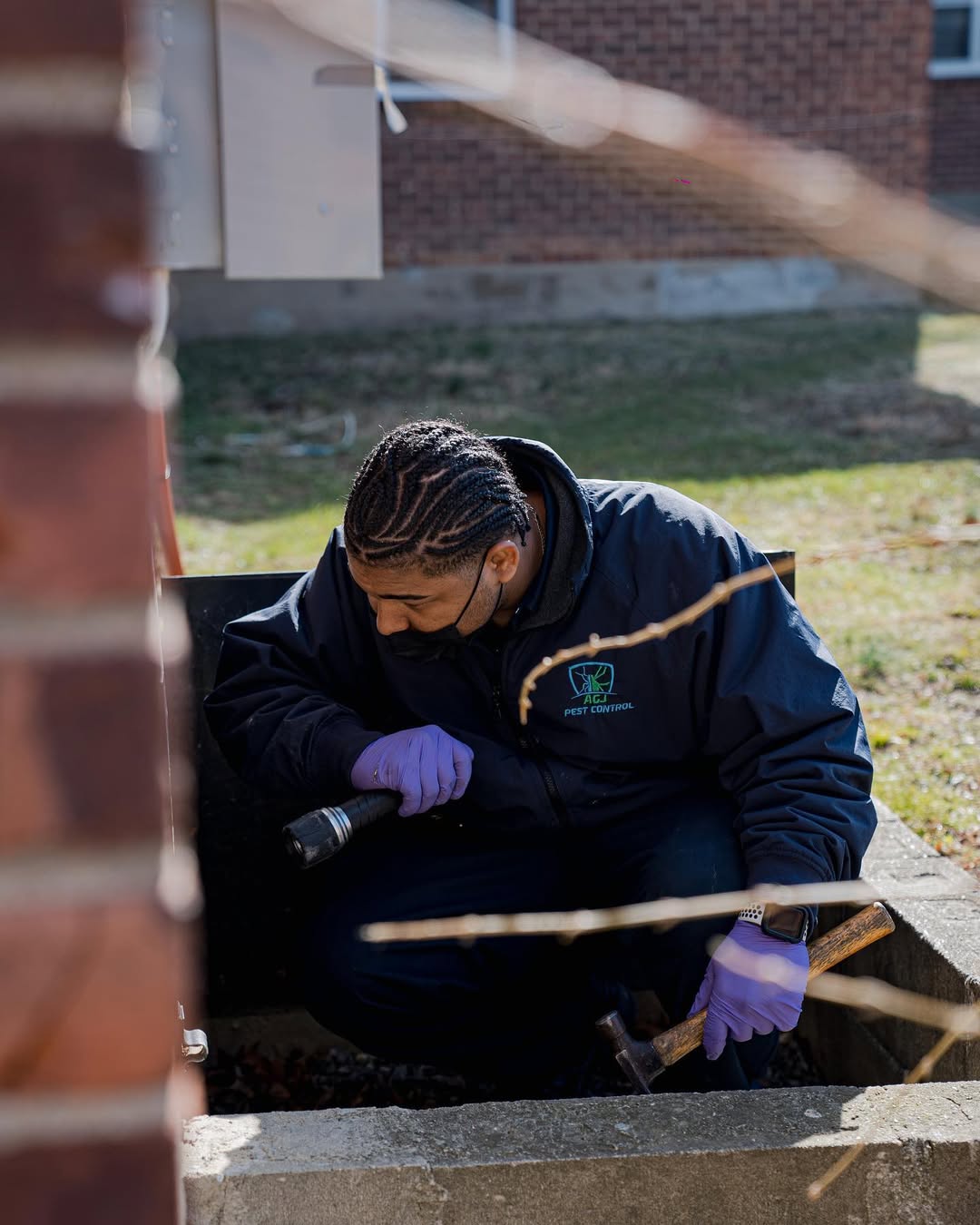
Professional inspections help determine whether fumigation is the most appropriate solution. Technicians evaluate infestation severity, structural conditions, visible damage, and signs of termite movement before recommending a treatment strategy.
Preparing A Property Before Fumigation Begins
Preparation is one of the most important parts of the fumigation process. Before treatment starts, technicians usually provide detailed instructions to help ensure the property is ready for service.
Because fumigation affects the entire structure, temporary relocation is typically necessary during treatment. Food items, medications, plants, and certain household materials may also require special handling beforehand.
Preparation steps often include:
- Food products require proper storage. Certain consumable items may need removal or protective sealing
- Residents and pets must temporarily leave. The structure remains unoccupied during active fumigation
- Accessible areas improve treatment efficiency. Technicians may need access to attics and crawl spaces
- Exterior conditions may require adjustment. Nearby obstructions can affect tent placement
- Safety procedures must be followed carefully. Proper preparation supports treatment effectiveness
Preparation timelines may vary depending on property size and infestation severity. In many cases, homeowners receive guidance several days before scheduled service.
Reviewing these helpful home preparation steps before treatment can help simplify the process and reduce last-minute concerns.
What Happens During The Fumigation Process
Once preparation is complete, technicians begin securing the structure for fumigation. Large protective tarps are carefully placed over the building to contain the fumigant within the treatment area.
After sealing the structure, professionals release a measured fumigant designed to penetrate wood, wall voids, cracks, and hidden termite galleries throughout the property.
The fumigation process generally involves several stages:
- Protective tarps seal the structure. Containment helps the fumigant circulate throughout the property
- Fumigants penetrate concealed areas. Treatment reaches hidden termite activity inside structural spaces
- Exposure time allows full treatment coverage. The structure remains sealed for a scheduled period
- Monitoring equipment tracks fumigation levels. Technicians verify proper concentration during treatment
- Aeration removes the remaining fumigant. Ventilation procedures prepare the structure for safe re-entry
Treatment timelines vary based on property size, weather conditions, and infestation severity. Some fumigation projects may require multiple days from preparation through final clearance.
Unlike localized applications, fumigation targets termites throughout the entire structure at the same time. That broad coverage can be valuable when colonies remain hidden inside inaccessible areas.
What Happens After Fumigation Is Complete
After exposure time ends, technicians begin the aeration process. Protective tarps are removed, and the structure is ventilated thoroughly to clear remaining fumigant before re-entry is approved.
Even after successful fumigation, long-term termite control still matters. Conditions around the property may continue attracting future termite activity if moisture issues, wood-to-soil contact, or structural vulnerabilities remain untreated.
Post-treatment recommendations may include:
- Follow-up inspections monitor future activity. Routine evaluations help detect concerns early
- Moisture control supports prevention efforts. Damp conditions may attract future termite activity
- Structural maintenance reduces vulnerability. Repairs may help limit exposure
- Long-term monitoring improves protection. Preventive strategies help reduce recurring infestations
- Treatment schedules may vary by property. Ongoing evaluations help determine future service needs
Property owners often ask how frequently termite control services should continue after fumigation. Reviewing these termite treatment timelines can provide additional guidance.
Why Professional Fumigation Matters In Severe Infestations
Termite infestations often develop in areas homeowners cannot easily inspect themselves. What appears minor on the surface may already involve widespread structural activity beneath floors, inside support beams, or behind walls.
That is why professional termite control plays an important role in severe infestations. Fumigation requires careful planning, safety procedures, specialized equipment, and ongoing monitoring throughout treatment.
When performed properly, fumigation provides broad structural coverage that helps eliminate hidden termite colonies throughout the property.
Taking The Next Step Toward Protection
Professional evaluations can help determine whether fumigation is necessary and what treatment approach best fits the property’s conditions. Contact AGJ Pest Control to learn more about termite treatment options and long-term protection strategies.