29+ Google reviews
Ant activity is one of the most common pest concerns across New York properties. Whether in residential spaces or commercial environments, ants are highly adaptable and capable of establishing colonies quickly. What may begin as a minor inconvenience can escalate into a persistent issue if not addressed with a structured approach.
From an expert perspective, effective ant control requires more than eliminating visible ants. It involves identifying the source of the infestation, understanding the species involved, and applying targeted strategies that address both immediate activity and long-term prevention. This approach ensures that infestations are managed thoroughly rather than temporarily reduced.

Why Ant Infestations Are Common in New York Properties
New York’s seasonal climate and dense urban environment create ideal conditions for ant activity. Fluctuations in temperature and moisture levels often drive ants indoors in search of consistent resources.
- Seasonal shifts. Warmer temperatures increase ant activity and colony expansion
- Moisture presence. Kitchens, bathrooms, and basements provide hydration sources
- Food availability. Crumbs, spills, and stored goods attract foraging ants
- Structural access. Small cracks and gaps allow easy entry into buildings
- Urban density. Close proximity between properties supports colony spread
These factors contribute to recurring infestations across different types of properties. Ants are not random invaders. They follow established trails and return to reliable food sources, making them difficult to eliminate without addressing underlying conditions.
Identifying the Signs of an Ant Problem Early
Early detection is essential for effective ant control. Recognizing the signs of activity allows for timely intervention before the infestation becomes more established.
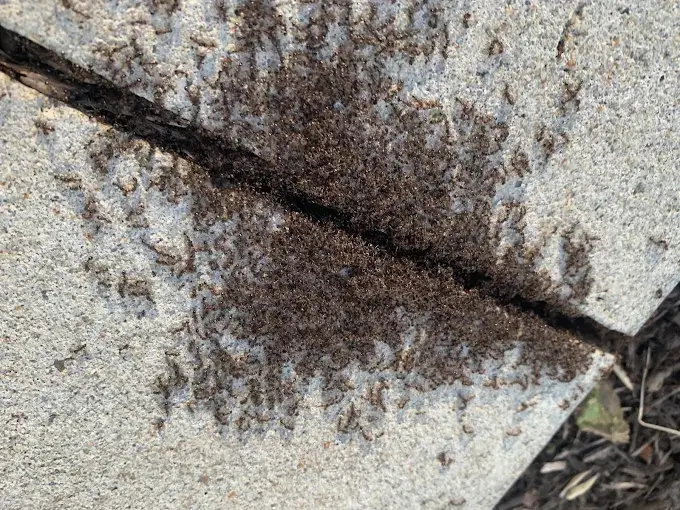
- Visible trails. Lines of ants moving toward food or water sources
- Concentrated activity. Increased presence in specific areas such as kitchens
- Nest indicators. Small piles of debris or soil near entry points
- Recurring sightings. Ants are returning even after cleaning efforts
- Hidden access points. Activity near walls, baseboards, or cracks
These signs indicate more than occasional intrusion. They reflect an organized system where ants communicate and operate as a colony. Addressing the issue early reduces the complexity of treatment and improves overall outcomes.
Understanding how long it takes to see results is also important. In our recent article on treatment timelines, the expected progression of professional ant control is discussed in detail.
Effective Ant Control Solutions Used by Professionals
Professional ant control strategies are designed to target the root of the infestation rather than just the visible symptoms. This approach ensures that colonies are disrupted and future activity is minimized.
- Baiting systems. Targeting the colony by allowing ants to carry treatments back to the nest
- Residual treatments. Applying solutions that remain effective over time
- Entry point sealing. Blocking access to prevent further intrusion
- Environmental adjustments. Reducing conditions that attract ants
- Species-specific methods. Tailoring treatments based on the type of ant involved
These methods work together to create a comprehensive solution. By focusing on both elimination and prevention, professional ant control provides more reliable and lasting results.
Evaluating different treatment approaches is also valuable. In our blog post on treatment method comparison, the effectiveness of various solutions is explored further.
Why DIY Methods Often Fall Short
While it may be tempting to address an ant activity independently, many common methods fail to resolve the problem completely. This is largely due to the complexity of ant behavior and colony structure.
- Surface-level results. Visible ants may be removed, but the colony remains active
- Misidentified species. Incorrect treatment methods may be applied
- Incomplete coverage. Hidden nesting areas are often missed
- Temporary disruption. Ants may relocate rather than be eliminated
- Repeated infestations. Conditions that attract ants are not fully addressed
These limitations highlight the importance of a more structured approach. Effective ant control requires a clear understanding of how ants operate and how to disrupt their lifecycle at its source.
Without this level of expertise, infestations often return, leading to repeated efforts and ongoing frustration.
How Professional Ant Control Supports Long-Term Prevention
Long-term ant control is not achieved through a single treatment. It requires a combination of targeted solutions, environmental adjustments, and ongoing monitoring. Professional services are designed to provide this level of comprehensive care.
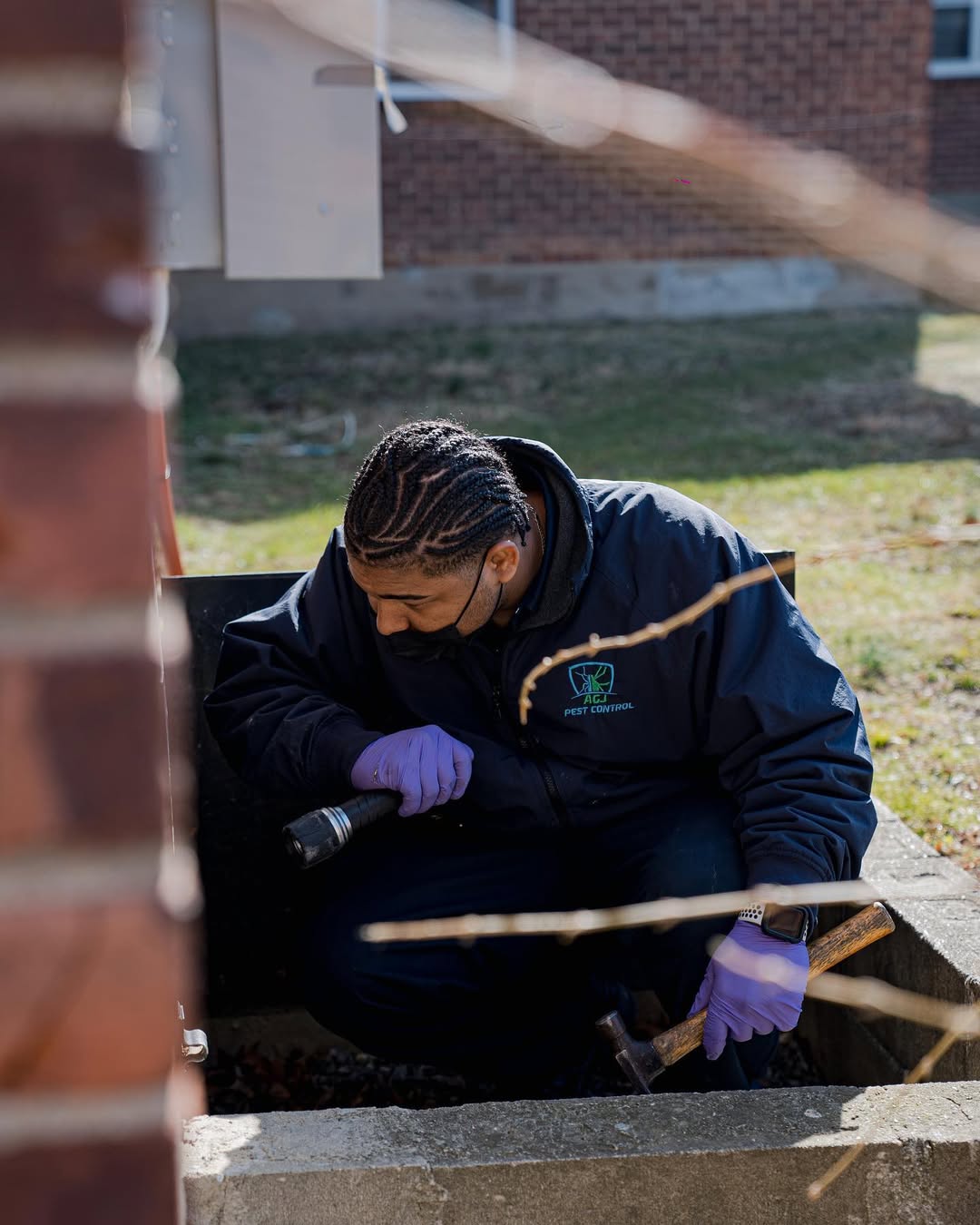
The process begins with a detailed inspection to identify activity patterns, entry points, and contributing factors. Based on this assessment, a customized treatment plan is developed to address the specific needs of the property.
Ongoing monitoring ensures that new activity is detected early and managed before it becomes a larger issue. This proactive approach is essential in environments where conditions can change with the seasons.
Professional ant control also focuses on prevention. By addressing moisture issues, sealing entry points, and reducing attractants, the likelihood of future infestations is significantly reduced.
This combination of expertise, precision, and consistency creates a more stable and controlled environment. It allows property owners to move beyond temporary fixes and achieve lasting results.
Where Persistent Problems Meet Real Solutions
Ant activity in New York properties requires more than quick fixes. A structured, expert-led approach ensures that infestations are addressed at their source and prevented from returning.For dependable ant control and long-term protection, contact AGJ Pest Control and take the next step toward a cleaner, more controlled property.