29+ Google reviews
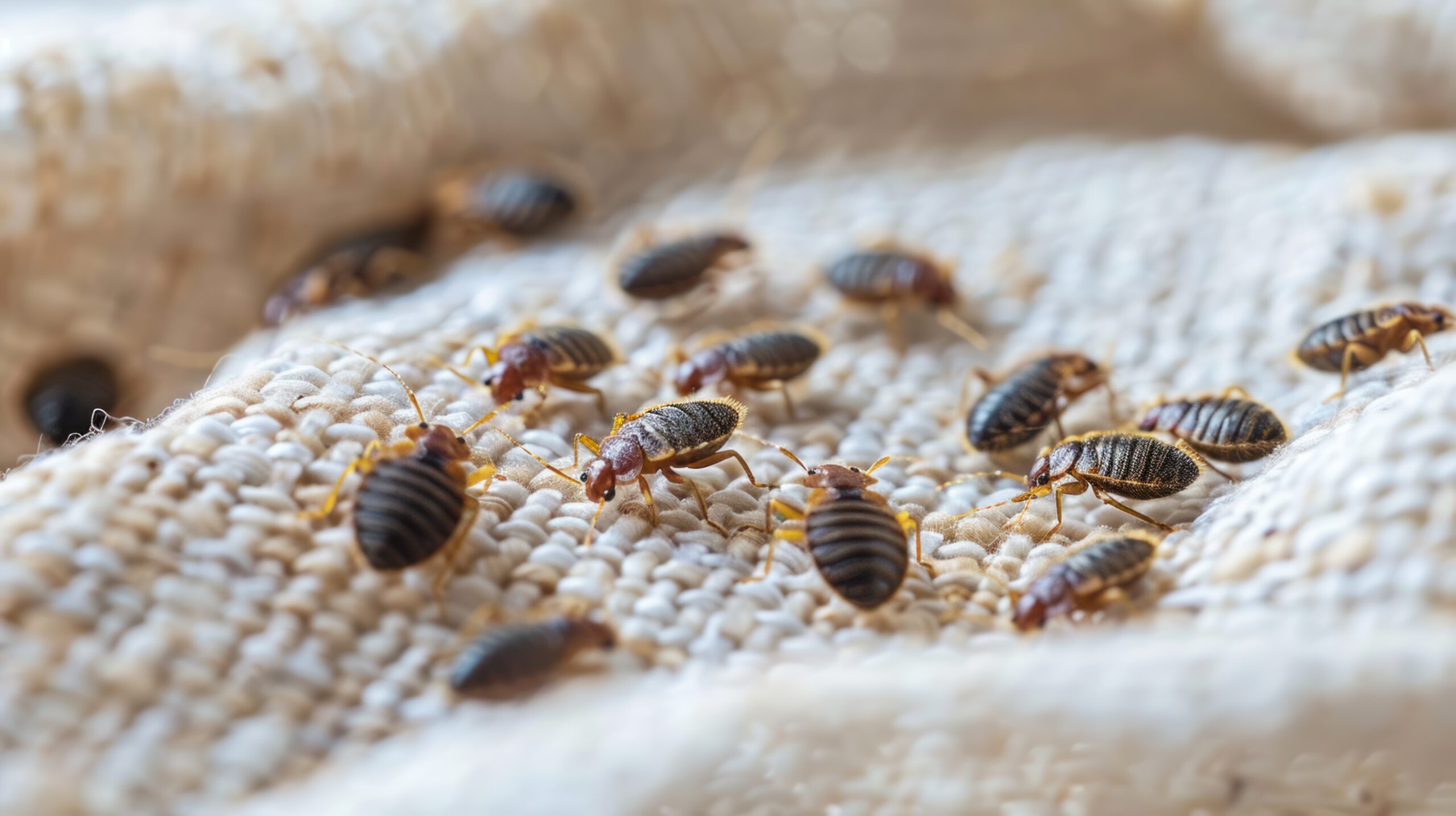
As winter fades, many household pests begin to emerge from sheltered spaces where they survived colder months. Changes in temperature, moisture, and food availability create ideal conditions for insects to become active again. For homeowners, this seasonal transition is one of the most important times to think proactively about pest control rather than waiting for visible problems to appear.
Post-winter pest activity is rarely sudden. In most cases, insects have already been present in wall voids, basements, and utility areas, simply waiting for conditions to improve. Preparing your home early helps reduce the likelihood of infestations becoming established as spring approaches.

Why does pest activity increase after winter?
Winter forces many insects to slow down, but it does not eliminate them. As temperatures rise, dormant populations become active, searching for food, moisture, and nesting areas. Indoor environments often provide all three.
Several factors contribute to increased pest pressure after winter:
- Warmer temperatures that trigger insect movement
- Increased moisture from snowmelt and spring rain
- Food residue buildup in kitchens and storage areas
- Structural gaps that expanded during freeze and thaw cycles
Because pests often emerge gradually, early activity may go unnoticed. By the time insects are visible, populations may already be established. This is why seasonal preparation plays such an important role in reducing long-term pest issues.
Common indoor pests to watch for in early spring
Certain pests are especially active during the transition from winter to spring. These insects are drawn indoors by warmth, moisture, and easy access points.
Homeowners often see increased activity from:
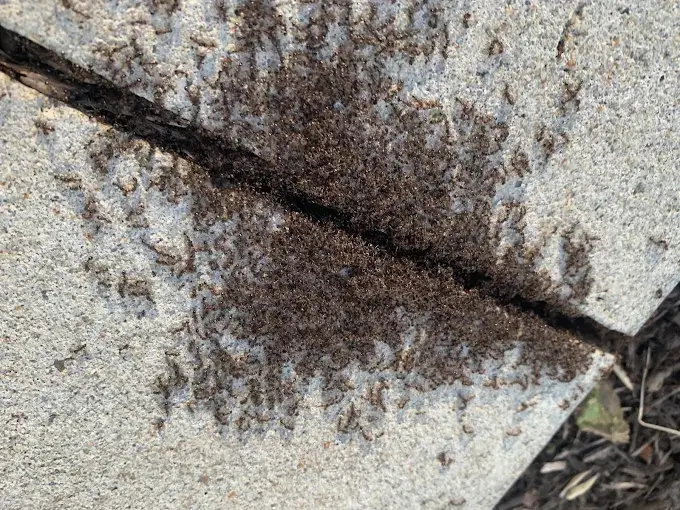
- Ants moving toward kitchens and food sources
- Cockroaches emerging from wall voids and plumbing areas
- Spiders relocating from quiet winter harborage sites
- Stored product pests becoming active in pantries
These pests are not random visitors. Their presence usually indicates favorable conditions inside the home. Addressing those conditions early helps reduce the need for corrective pest control later in the season.
Preparing your home before pests become active
Proactive preparation focuses on limiting access and reducing conditions that support pest survival. This step is most effective when done before pest activity becomes obvious.
Key preparation steps include:
- Inspecting and sealing cracks around doors, windows, and foundations
- Reducing moisture near sinks, basements, and utility rooms
- Clearing clutter from storage areas and garages
- Ensuring food is properly stored and sealed
While these actions are helpful, they work best as part of a larger prevention plan. Incomplete preparation often leaves hidden vulnerabilities that pests can still exploit. This is why professional assessment adds value during seasonal transitions.
Why DIY sprays often create bigger problems
As pests begin to appear, many homeowners turn to store-bought sprays for quick relief. While this may reduce visible insects temporarily, it often fails to address the underlying issue and can make infestations harder to manage.
DIY sprays frequently cause problems such as:
- Driving pests deeper into walls and hidden areas
- Killing only surface insects while colonies remain intact
- Creating inconsistent treatment zones that pests avoid
- Delaying proper intervention while activity spreads
These risks are explained further in this resource on DIY spray risks, which outlines why surface treatments often lead to recurring infestations rather than resolution. Effective pest control requires understanding pest behavior, not just reacting to sightings.
How integrated strategies support long-term prevention
Preparing for post-winter pests is not about a single treatment or checklist. It involves a coordinated approach that combines inspection, monitoring, and targeted action. Integrated strategies focus on prevention first, with control methods applied only where necessary.
This approach typically emphasizes:
- Ongoing inspection of high-risk areas
- Monitoring for early signs of pest movement
- Targeted treatment based on confirmed activity
- Adjustments as environmental conditions change
Integrated methods help limit unnecessary exposure while maintaining effective control. More detail on this approach is outlined in guidance on integrated pest methods, which explains how prevention and precision work together to protect indoor environments.
Seasonal preparation works best when supported by experience and consistency. Pests respond quickly to changing conditions, and prevention efforts must adapt just as quickly.
Preparing your home for pests after winter is not about overreacting. It is about understanding seasonal behavior and addressing risks before they turn into disruptions. Homes that take a proactive approach experience fewer infestations and more predictable pest pressure throughout the year.
Get ahead of seasonal pest activity
If you want to reduce post-winter pest problems and protect your home more effectively, professional guidance can make a measurable difference. Contact AGJ Pest Control to learn how seasonal preparation and expert pest control strategies can help keep your home protected as warmer weather arrives.