29+ Google reviews
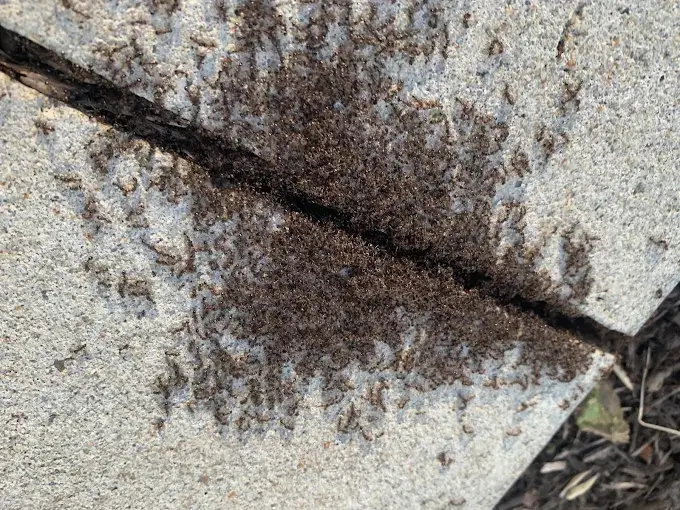
Ant activity has a way of building quietly until it becomes impossible to ignore. One day it is a single trail along the kitchen counter, then suddenly it feels like the entire space is under constant pressure. This is where pest control shifts from a reactive fix to a structured process that works beneath the surface.
When professional ant control begins, the expectation is not instant disappearance, but measurable progress. Understanding how long results take requires looking at how treatments work, how colonies behave, and what changes to watch for in the days and weeks that follow.

What Happens Immediately After Treatment
The first phase of pest control is often misunderstood. Many expect ants to vanish overnight, but what actually happens is more strategic. Treatments are designed to disrupt the colony, not just the visible workers.
- Initial increase in activity. Ants may appear more active within the first 24 to 48 hours as they come into contact with treatment materials and carry them back to the colony
- Bait transfer begins. Worker ants transport treated bait to queens and hidden nest members, starting the internal breakdown of the colony
- Visible trails shift. Existing ant trails may change direction or appear inconsistent as the colony becomes disrupted
- Early reduction signs. By day three to five, some decrease in activity becomes noticeable, especially in high-traffic areas
This early stage is less about elimination and more about penetration. The goal is to reach the core of the infestation rather than just clearing what is visible.
The Typical Timeline For Noticeable Results
While every property is different, there is a general timeline that professionals observe when managing ant infestations through pest control services.
- Days 1 to 3. Activity may increase slightly as ants interact with treatment materials
- Days 4 to 7. A noticeable drop in visible ants begins as the colony weakens
- Weeks 2 to 3. Significant reduction in activity, with only occasional sightings
- Weeks 3 to 4. Colony collapse becomes evident, and trails are no longer consistent
This timeline reflects how ant colonies function. Because queens and deeper nest layers are protected, it takes time for treatments to reach them. Quick surface sprays can remove visible ants, but without targeting the colony, the problem simply resets.
Understanding this timeline also helps set realistic expectations. Ant control is a controlled process, not an instant result.
Factors That Can Affect How Fast Ant Control Works
Not all infestations respond at the same pace. Several variables influence how quickly results appear after pest control treatment.
- Size of the colony. Larger colonies require more time for treatments to circulate fully
- Location of nests. Colonies hidden inside walls, under slabs, or outdoors may take longer to reach
- Ant species behavior. Some species spread into multiple satellite colonies, which can extend treatment timelines
- Environmental conditions. Moisture levels, food sources, and temperature can impact ant activity and treatment effectiveness
- Treatment approach. Baiting strategies typically take longer than direct contact treatments but provide more complete results
These factors explain why professional evaluation matters. Effective pest control is not based on guesswork but on identifying how the infestation operates within a specific environment.
Why Consistency Matters More Than Speed
A common mistake is judging pest control success too early. Immediate results can feel reassuring, but they are not always reliable indicators of long-term control.
Consistent monitoring and follow-up treatments are what ensure that colonies do not recover. Ants are resilient, and partial elimination often leads to resurgence.
This is where structured service plans come into play. As discussed in termite treatment frequency blog post, long-term pest management relies on timing, consistency, and prevention rather than one-time fixes.
Additionally, neglecting regular pest control can allow minor infestations to grow into more complex problems. Insights shared in risks of pest neglect highlight how quickly pests can reestablish when conditions are left unchecked.
In ant control, patience paired with consistency delivers the most stable outcome.
What “Full Results” Actually Look Like
Reaching full results does not always mean zero ants immediately. Instead, it reflects a stable environment where ant activity no longer disrupts daily living.
Key indicators of successful pest control include:
- No consistent ant trails forming indoors or along entry points
- Only occasional, isolated sightings rather than recurring activity
- Reduced attraction to food sources that previously triggered infestations
- No visible nesting activity in common problem areas
At this stage, the colony has either been eliminated or reduced to a level that no longer sustains visible activity. Maintenance treatments may still be recommended to prevent new colonies from establishing.
It is also important to recognize that ant pressure can be seasonal. Changes in temperature and moisture can influence activity, which is why preventive pest control remains valuable even after results are achieved.
When Ant Activity Stops Feeling Unpredictable
Ant infestations are rarely resolved through surface-level solutions. What makes professional pest control effective is the focus on the entire colony, not just what is seen.If ant activity has become persistent or difficult to manage, it may be time to take a more structured approach. Connect with AGJ Pest Control to explore a treatment plan designed for lasting control and a more stable indoor environment.