29+ Google reviews
The conversation around pest control has shifted in recent years. Many property owners are now weighing natural methods against traditional chemical treatments, hoping to find an approach that balances safety with effectiveness. While both options serve a purpose, their performance varies depending on the pest, the severity of the infestation, and how the treatment is applied.
Understanding how these pest control solutions work in real conditions reveals a more nuanced picture. Effectiveness is not defined by whether a method is natural or chemical, but by how well it aligns with the situation at hand.

What Natural Pest Control Solutions Actually Offer
Natural pest control solutions are often chosen for their reduced environmental impact and lower toxicity levels. These methods typically rely on plant-based ingredients, biological controls, or environmental adjustments to discourage pest activity.
They are commonly used to manage pests such as ants, spiders, and occasional invaders that have not yet established large infestations.
- Repellent-based action. Many natural treatments work by deterring pests rather than eliminating them outright.
- Lower toxicity levels. These solutions are designed to minimize risk to people and indoor environments.
- Shorter residual effect. Natural products tend to break down more quickly, requiring consistent reapplication.
- Preventative focus. They are often most effective when used before pest populations grow.
While natural methods can be useful in low-pressure situations, they are rarely sufficient when infestations become widespread or deeply rooted within a structure.
How Chemical Treatments Deliver Faster Control
Chemical treatments remain a primary tool in professional pest management because of their ability to act quickly and thoroughly. These solutions are specifically formulated to target pests such as cockroaches, bed bugs, ants, spiders, and other common structural invaders.
Their strength lies in both immediate impact and long-term protection.
- Rapid elimination. Chemical treatments are designed to reduce active pest populations quickly.
- Residual performance. Many formulations continue working after application, helping prevent reinfestation.
- Targeted precision. Professionals apply treatments in specific areas where pests live and travel.
- Adaptability. Different formulations can be selected based on the type of pest and severity of the issue.
This level of control is especially important when dealing with pests that reproduce quickly or remain hidden in walls, flooring, and furniture.
Comparing Effectiveness In Real-World Situations
The effectiveness of pest control solutions becomes clearer when comparing how natural and chemical methods perform under different conditions.
- Infestation severity. Natural solutions may manage light activity, but chemical treatments are often required for moderate to severe infestations.
- Speed of results. Chemical methods provide faster relief, while natural approaches tend to work gradually.
- Longevity. Chemical treatments offer longer-lasting protection, reducing the likelihood of recurring problems.
- Consistency. Natural methods often require repeated applications, which can lead to inconsistent results if not carefully managed.
In practice, professionals evaluate each situation before selecting the appropriate method. The goal is not to favor one approach over another, but to achieve reliable and lasting control.
When Natural Methods May Fall Short
Natural solutions are often perceived as safer alternatives, but they can present limitations when used as the primary method for pest control. This is particularly true in environments where pests have already established nesting sites or breeding areas.
For example, pests like bed bugs and cockroaches are known for their resilience and ability to hide in hard-to-reach spaces. In these cases, surface-level treatments are unlikely to resolve the issue completely.
There are also risks associated with relying on unverified or improperly applied methods. Some homeowners turn to store-bought sprays or homemade mixtures, assuming they are harmless. However, improper use can lead to ineffective results or unintended exposure. This is discussed further in our article on home spray risks, which highlights why caution is necessary when handling pest treatments without professional oversight.
Natural approaches can still play a role, but they are most effective when integrated into a broader, professionally guided plan.
Why Professional Strategy Determines The Outcome
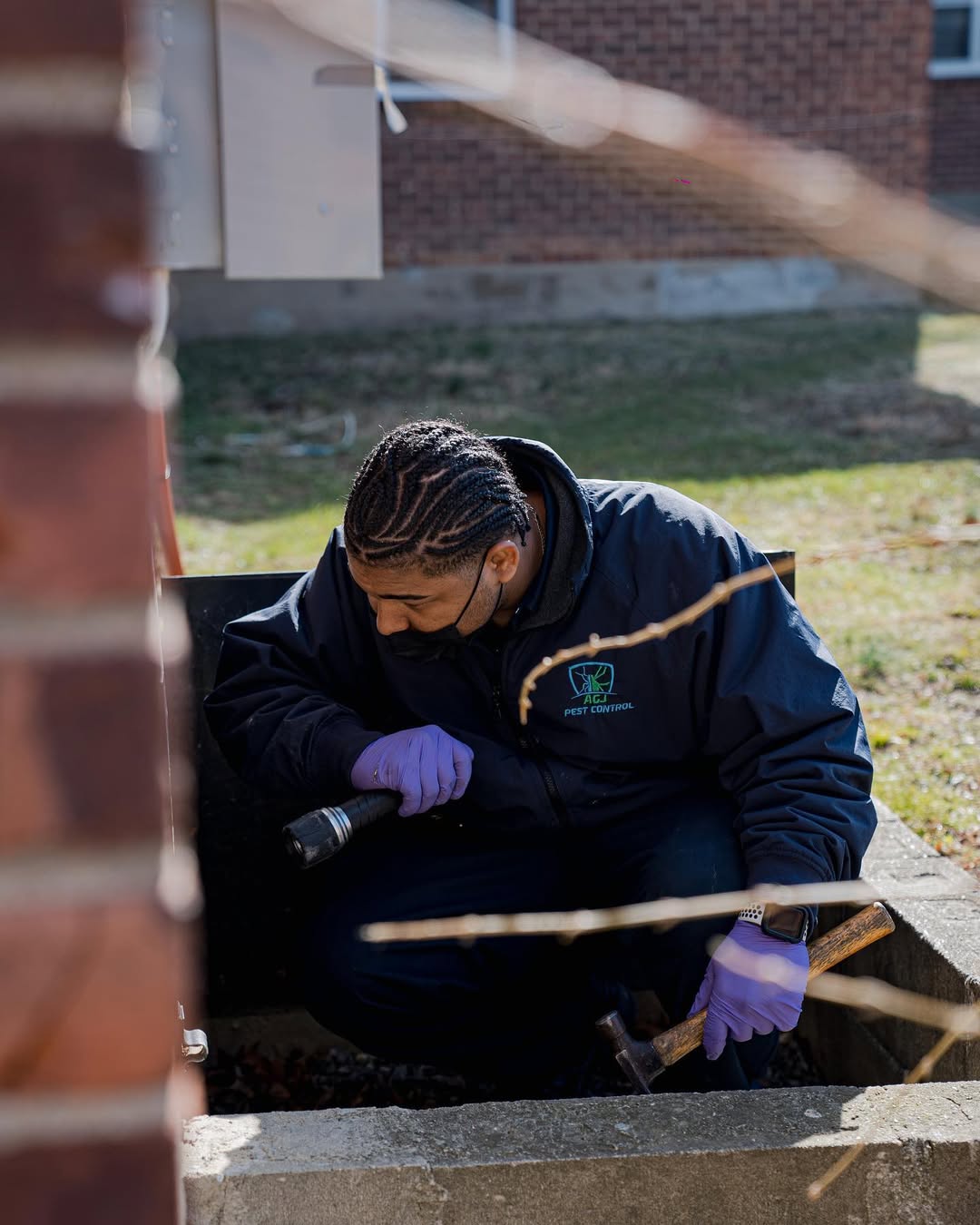
The success of any pest control solution depends less on the label and more on how it is applied. Professional pest management focuses on identifying the source of the problem, understanding pest behavior, and selecting the right combination of methods.
Without that level of analysis, even strong treatments can fail to deliver lasting results.
Long-term control also requires consistency. Pests often return when conditions remain favorable, which is why routine service plays an important role in maintaining a pest-free environment. As explored in our resource on ongoing pest control risks, gaps in treatment can allow infestations to rebuild over time.
By combining inspection, targeted application, and follow-up care, professionals create pest control solutions that address both immediate concerns and future prevention.
A More Reliable Way To Keep Pests Under Control
Choosing between natural and chemical methods is not a matter of preference alone. It requires a clear understanding of the situation and a strategy that prioritizes both safety and effectiveness.For a tailored approach that delivers consistent results, contact AGJ Pest Control and take a more informed step toward long-term pest management.