29+ Google reviews
Ants are organized, persistent, and often more difficult to control than they first appear. A few ants near a counter, window trim, breakroom, or bathroom can point to a larger colony outside the visible area. In New York homes and businesses, warm weather, humidity, food residue, moisture, and small structural gaps can all help ants establish steady trails.
Professional ant control delivers better results because it starts with the source, not only the surface. Experts inspect where ants are entering, what they are seeking, and whether the activity is connected to nesting conditions, water access, or building features. That careful process helps reduce repeat ant trails and supports long-term prevention without relying on guesswork.

Inspection Finds The Real Ant Source
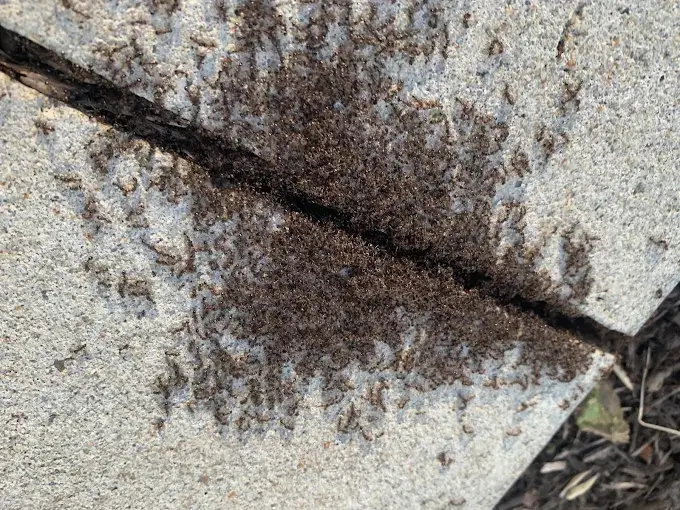
Ant activity often looks simple because the trail is visible. The source may be much harder to find. Ants can nest in soil, pavement cracks, wall voids, mulch, damp wood, foundation edges, or landscaping close to the structure. Indoors, they may appear near sinks, pantries, baseboards, windows, or utility openings.
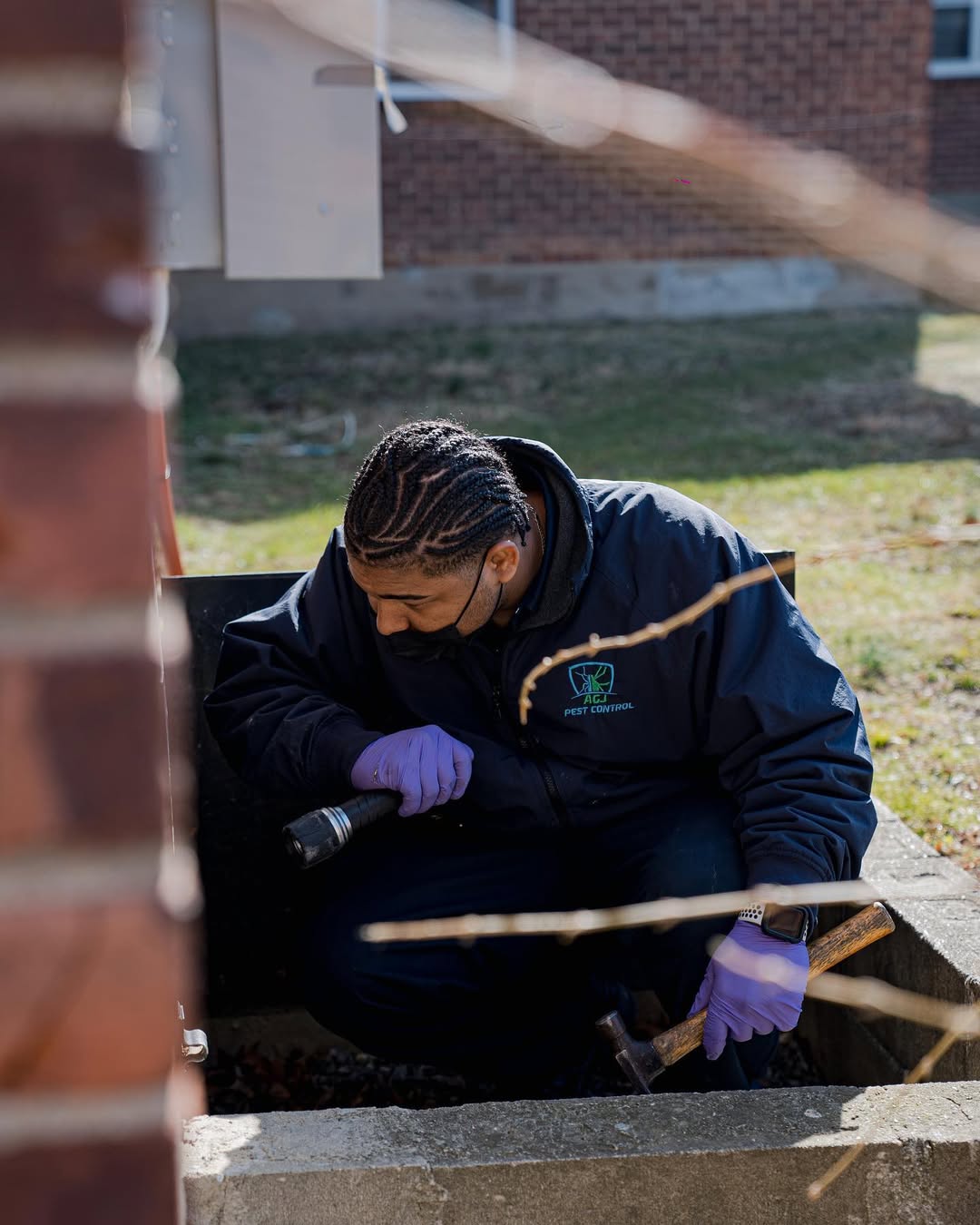
A professional inspection may identify:
- Entry points around doors, windows, pipes, foundations, and utility lines
- Moisture conditions near bathrooms, kitchens, basements, and exterior walls
- Food sources in kitchens, breakrooms, trash areas, and storage spaces
- Outdoor nesting zones in mulch, soil, pavement cracks, or plant beds
- Related pest pressure involving roaches, spiders, mice, wasps, bed bugs, or termites
Correct identification matters because not all ant problems behave the same way. Some trails respond poorly when the colony is disturbed without a plan. A trained inspection helps determine where treatment should be placed and whether follow-up is needed.
Summer Conditions Can Make Trails Worse
Ants are especially active when the heat and humidity increase. Warmer weather can speed foraging, while moisture supports nesting conditions around foundations, landscaping, and interior water sources. New York summers also bring more outdoor meals, open doors, trash activity, and commercial foot traffic, which can create steady access to food and water.
A small trail can grow quickly when conditions remain favorable. Ants may move from patios to kitchens, from sidewalks to storefronts, or from exterior walls into bathrooms and breakrooms. This is why summer ant problems often need more than a quick surface response.
Professional service connects the trail to the season. Instead of treating the visible line only, technicians look at weather patterns, moisture sources, structure, and activity level. That wider view helps explain why ants returned and what should be addressed to reduce the next trail.
Targeted Treatment Reduces Repeat Activity
Effective ant control depends on placement. Treating the wrong area can scatter activity, miss the nest, or leave the main trail active. Professional treatment is guided by inspection findings, ant behavior, property layout, and safety considerations. The goal is to use the right method in the right location.
A targeted plan may include:
- Treating trails, entry points, nesting areas, or exterior pressure zones
- Using product placement that matches an ant’s behavior and activity level
- Avoiding unnecessary treatment in rooms where no activity is present
- Monitoring whether ants shift, decline, or continue from another source
- Adjusting the plan when moisture, food, or structure keeps pressure active
This precision is important in occupied homes and active businesses. Kitchens, offices, retail spaces, rental units, and shared buildings need service that works with daily routines. Professional planning helps keep the process controlled, documented, and focused on the actual source.
Preparation And Follow-Up Improve Results
Professional ant service works best when the property is ready for inspection and treatment. Preparation does not mean taking over the job. It means creating access, reducing interference, and helping technicians evaluate activity clearly. Clean counters, reachable baseboards, open sink cabinets, and notes about recent sightings can make the service more accurate.
Guidance on home preparation shows why communication and access matter before service. When technicians can inspect the right areas, they can better identify trails, entry points, and hidden conditions.
Follow-up also matters because ants can adjust when food, water, or nesting conditions change. A one-time result may not tell the full story if the colony is large, the weather stays humid, or the building has several access points. Professional monitoring helps confirm whether the plan is working or whether another source is contributing to activity.
This is especially important in commercial spaces, multifamily buildings, and homes with recurring summer trails. A follow-up plan supports longer-term stability instead of waiting until ants are visible again.
Professional ant control works better because it combines inspection, identification, targeted treatment, preparation, and prevention. It also allows other listed pest concerns, such as roaches, spiders, mice, wasps, bed bugs, and termites, to be noted when conditions overlap. When ants are handled as part of the whole property, results become more reliable and less dependent on short-term reactions.
Keep Ant Trails From Coming Back
Ant trails should not be treated as isolated annoyances when they keep returning. For professional ant control, pest inspections, roach control, spider control, mice control, wasp control, bed bug control, termite control, and prevention-focused service, contact AGJ Pest Control.