29+ Google reviews
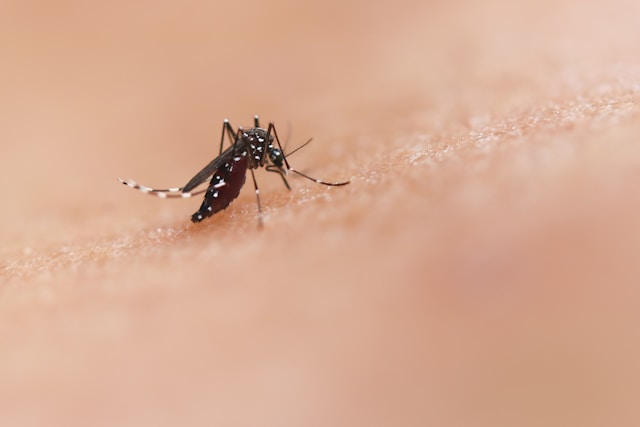
A mosquito problem can seem temporary at first. A few bites during an evening outside may feel like a normal part of summer, especially in New York, where heat, humidity, rain, irrigation, shaded yards, roof drains, planters, and dense landscaping can all support mosquito activity. The real cost appears when the problem is allowed to continue.
A mosquito infestation can affect more than comfort. It can change how people use patios, yards, entrances, courtyards, gardens, and shared outdoor spaces. It can also become a repeated seasonal issue when standing water, hidden moisture, and shaded resting areas remain active. Professional inspection helps identify the conditions behind the problem so treatment can focus on the source rather than only on the places where bites happen.

Outdoor Comfort Can Disappear Quickly
One of the first costs of a mosquito infestation is the loss of use of outdoor space. Families may stop using patios, children may spend less time in the yard, and guests may leave gatherings early because the biting becomes distracting. For businesses, mosquito pressure can also make outdoor seating, entrances, rooftops, or courtyards less comfortable for customers and employees.
The impact may include:
- Repeated bites during meals, playtime, gardening, or evening relaxation
- Reduced use of patios, decks, yards, rooftops, and shared outdoor spaces
- Stress around children, pets, guests, or anyone sensitive to mosquito bites
- Disrupted events, outdoor dining, or family gatherings during warm weather
- More frustration when activity returns after rain, irrigation, or humid conditions
Ignoring the problem often allows mosquitoes to remain close to the areas people use most. A guide to summer mosquito prevention explains why standing water, shade, landscaping, and seasonal conditions should be reviewed together.
A professional plan does not simply react to the bite location. It looks for where mosquitoes develop and where adults rest during the day. That wider view is essential when the same outdoor areas keep becoming uncomfortable.
Small Water Sources Can Create Repeat Problems
Mosquitoes can develop in surprisingly small amounts of standing water. A clogged drain, plant saucer, bucket, bottle cap, low pavement area, roof drain, pet bowl, or shaded container can become a breeding source if water remains undisturbed. In compact urban and suburban properties, these sources may be easy to overlook.
Common problem areas include:
- Planters, buckets, toys, tarps, storage bins, and outdoor containers
- Gutters, downspouts, roof drains, and slow-draining exterior areas
- Birdbaths, pet bowls, water features, and irrigation runoff
- Shaded courtyards, basement entries, low spots, and damp pavement
- Dense vegetation, ivy, fence lines, and protected resting areas
The cost grows when each rainfall or watering cycle restarts activity. A one-time reaction may temporarily reduce visible mosquitoes, but the pressure can return if the breeding source remains. Professional mosquito control helps identify both water sources and resting zones, making the response more focused.
This is also where inspection matters. Mosquitoes may share moisture-related conditions with ants or other listed pest concerns, but each issue still requires its own treatment strategy. The property should be evaluated carefully rather than assuming that a single product or treatment method will solve every problem.
Delayed Action Can Make The Problem Harder To Manage
The longer mosquito activity is ignored, the more difficult it can become to understand where the pressure is coming from. Weather changes, nearby properties, shared drainage, dense landscaping, and repeated rainfall may all contribute. What begins as a small problem in one corner can become a steady activity across patios, entrances, gardens, and gathering areas.
Warning signs of a growing problem include:
- Biting is becoming more frequent at different times of day
- Mosquitoes are appearing in several parts of the property
- Activity returning quickly after rainfall or irrigation
- Guests or household members avoiding outdoor areas
- Repeated problems in the same shaded or moisture-prone zones
A professional review can help separate an isolated nuisance from a pattern that needs a structured plan. This is one reason regular pest inspections are valuable. Inspections can connect visible activity with hidden water sources, shaded harborages, structural conditions, and seasonal pressure before the problem becomes more disruptive.
For properties with recurring mosquito issues, long-term planning may involve source reduction, targeted treatment, seasonal monitoring, and follow-up after major weather changes. That process is more efficient than repeatedly reacting after the outdoor space has already become uncomfortable.
Ignoring a mosquito infestation has a practical cost. It reduces the value of outdoor areas, creates repeated frustration, and allows breeding conditions to remain active. Professional service helps property owners understand why the problem is happening, which conditions are supporting it, and what can be done to reduce it more reliably over time.
Protect The Outdoor Spaces You Use Most
A mosquito infestation is easier to manage when water sources, shaded resting areas, and seasonal conditions are addressed before activity becomes constant. For professional mosquito control, pest inspections, and prevention-focused support for ants, bed bugs, mosquitoes, and termites, contact AGJ Pest Control.