29+ Google reviews
DIY pest control often starts with good intentions. A homeowner sees ants near a sink, notices a bed bug concern around a mattress, finds mosquitoes gathering outside, or spots termite signs and wants to act quickly. The problem is that visible activity rarely tells the whole story. Pests may be nesting behind walls, traveling through structural gaps, developing outdoors, or returning because the source was never identified.
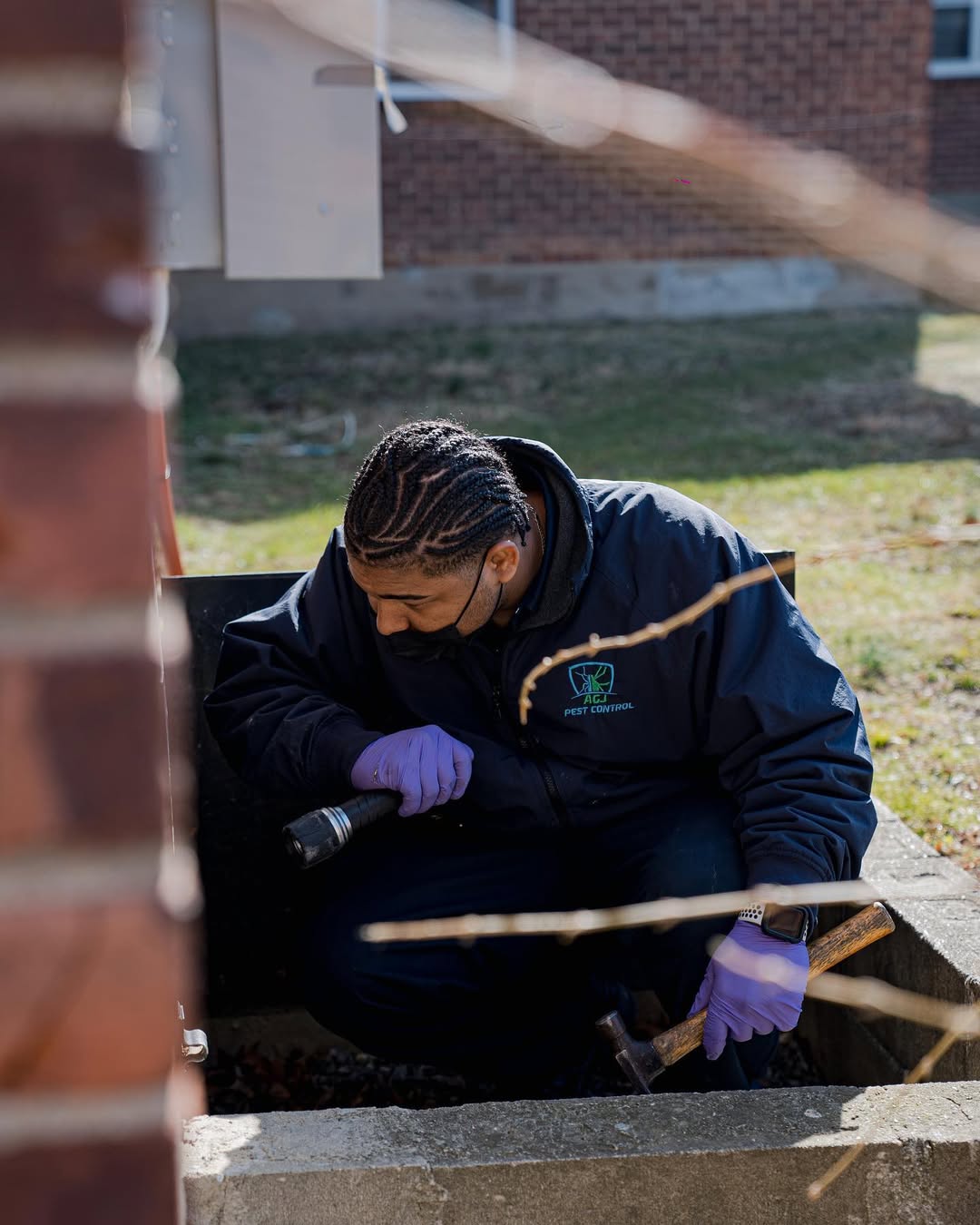
Professional pest control works differently because it begins with observation, inspection, and pest-specific planning. Instead of treating every issue as though it has the same cause, a trained technician considers the pest, the property, the location of activity, and the conditions supporting it. That difference helps explain why common DIY mistakes can lead to repeated problems, wasted effort, or a false sense that the issue has been solved.

Treating Only The Pests You Can See
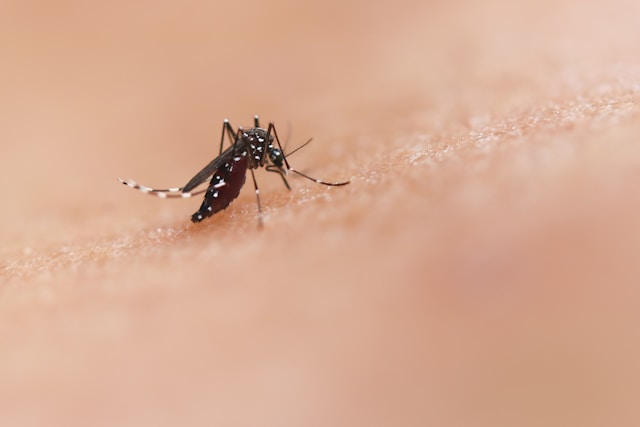
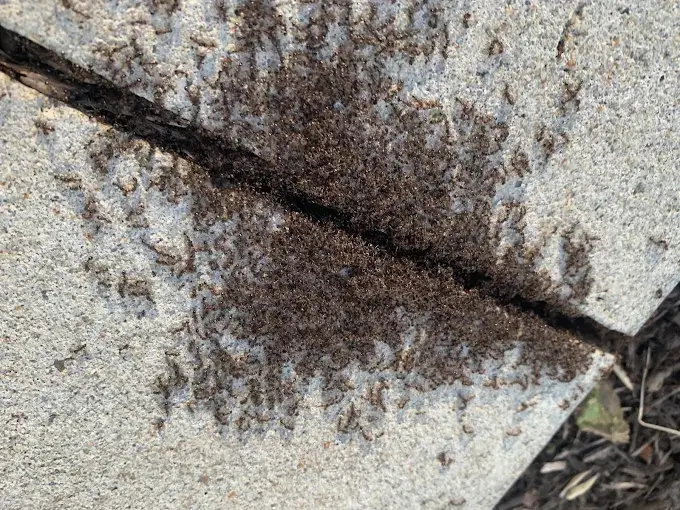
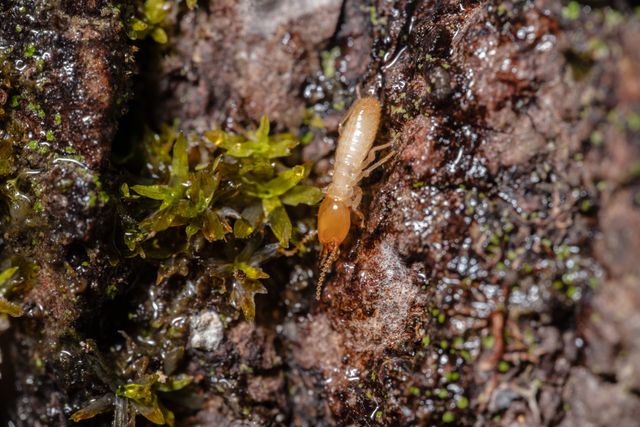
One of the most common mistakes is focusing only on visible insects. A few ants on a counter may be workers traveling from a much larger colony. Bed bugs may remain hidden in seams, furniture joints, baseboards, or other protected spaces. Mosquitoes may keep developing outdoors even after adults near a patio are reduced. Termites can remain concealed in wood or behind finished surfaces.
Homeowners often make these mistakes:
- Applying a product only where pests were last seen
- Assuming that no visible activity means the source is gone
- Treating one room without checking nearby rooms or exterior conditions
- Overlooking cracks, moisture, food sources, and structural access points
- Repeating the same method even when the pest keeps returning
Bed bugs are a clear example of why surface-level treatment can fail. A closer look at hidden bed bug activity shows why these pests can survive in areas that are easy to miss. The same principle applies broadly: the visible pest may only be the clue, not the source.
Using The Wrong Method For The Pest
Another mistake is assuming that one product or one type of treatment will work for every pest problem. Ants, bed bugs, mosquitoes, and termites behave differently. They use different shelters, food, moisture, and travel patterns, so they require different strategies.
A better pest control plan may consider:
- Whether the pest is nesting indoors, outdoors, or inside the structure
- Whether moisture, food, heat, or clutter is supporting the activity
- Whether the infestation is localized or spreading to additional areas
- Whether one-time treatment or recurring monitoring is more appropriate
- Whether follow-up is needed after the first service
Using the wrong method can scatter activity, miss hidden life stages, or leave the source untouched. With ants, surface treatment may reduce workers while the colony remains active. With mosquitoes, treating only the place where people are bitten may miss standing water and shaded resting zones. With termites, the issue may be hidden enough that inspection is essential before any treatment decision is made.
Professional service is more efficient because the method follows the evidence. The goal is not to apply more product. It is necessary to choose the right approach for the pest and the property.
Skipping Inspection And Follow-Up
Many DIY efforts fail because there is no complete inspection before treatment and no structured follow-up afterward. A homeowner may react to the first sign, but without a broader review, important clues can be missed. Entry points, moisture sources, hidden nesting areas, outdoor pressure, and neighboring activity may all contribute.
Important inspection points may include:
- Kitchens, bathrooms, bedrooms, storage areas, and utility spaces
- Foundations, doors, windows, vents, pipes, and exterior openings
- Standing water, damp areas, landscaping, and shaded outdoor zones
- Signs of ants, bed bugs, mosquitoes, termites, or related pest pressure
- Changes in activity after treatment, weather shifts, or seasonal transitions
This is why regular pest inspections matter. Inspection helps identify the source early, while follow-up shows whether the treatment is working or whether activity has shifted.
Another common mistake is assuming that one quiet week proves the problem is gone. Some pests become less visible without being fully eliminated. Bed bugs may remain hidden. Ant trails may reroute. Mosquito populations may build again after rain. Termites may stay concealed until damage becomes more obvious.
Professional follow-up creates a clearer picture. A technician can compare current activity with earlier findings, inspect previously treated areas, and adjust the plan when needed. That makes long-term control more practical than repeatedly starting over with a new store-bought product.
The strongest pest control results come from identifying the pest correctly, understanding why it is present, treating the right areas, and checking whether the plan is working. Homeowners do not need to guess which sign matters most or whether a hidden source remains active. Professional inspection provides the evidence needed for a more focused response.
Choose A Clearer Path To Lasting Control
A small pest problem can become more difficult when the source is missed or the wrong method is repeated. For professional help with ants, bed bugs, mosquitoes, termites, residential pest control, commercial pest control, inspections, targeted treatment, and long-term prevention, contact AGJ Pest Control.