29+ Google reviews
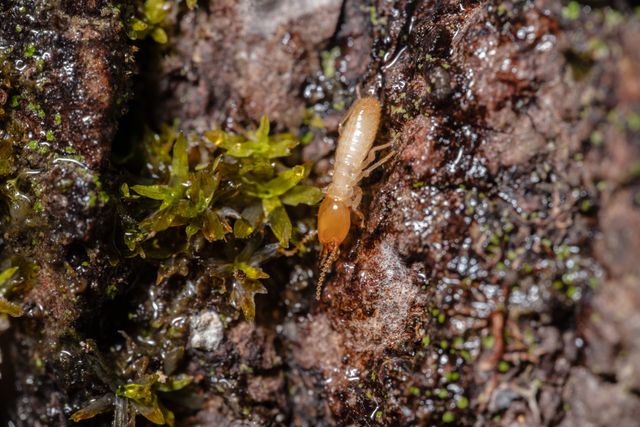
Termites remain one of the most destructive structural pests affecting properties in Westchester County. Unlike ants, cockroaches, rodents, bed bugs, flies, and stinging insects that create visible activity, termites often work silently within wood structures. Because of this hidden behavior, property owners frequently ask how often termite treatments should be reapplied to maintain protection.
The answer depends on several factors, including the type of treatment used, environmental conditions, and the structure itself. From a professional standpoint, termite management is not a one-time service but a long-term protection strategy that includes monitoring and periodic evaluation.

Factors That Influence Reapplication Timing
Termite treatments vary in formulation and longevity. Understanding the variables that affect performance helps determine when reapplication may be necessary.
- Soil composition and moisture levels around the foundation
- Type of treatment method used, such as liquid barriers or bait systems
- Structural design and foundation layout
- Landscaping features that retain moisture near the building
- Evidence of prior termite activity or damage
Liquid barrier treatments often remain effective for several years when properly applied, but they can degrade over time depending on soil disturbance and environmental exposure. Construction activity, drainage changes, or heavy rainfall may impact barrier integrity.
Bait systems require ongoing monitoring rather than periodic full reapplication. Stations must be inspected regularly to confirm activity and replenish materials when necessary.
Seasonal termite behavior also plays a role. Even during colder periods, termites remain active beneath the soil surface. This is discussed further in the article on termite activity risks, which explains why vigilance is important throughout the year.
Routine professional inspections determine whether termite treatments continue to perform effectively or require adjustment.
Typical Timeframes for Termite Treatments
While every property differs, general guidelines can help frame expectations.
- Liquid soil treatments may remain effective for several years under stable conditions
- Annual inspections are recommended regardless of treatment age
- Bait systems require multiple inspections per year
- Structural modifications may necessitate localized retreatment
- Evidence of renewed activity calls for immediate evaluation
It is important to understand that treatment longevity does not eliminate the need for monitoring. Even long-lasting formulations should be evaluated annually to confirm that protective barriers remain intact.
Skipping inspections increases the likelihood of unnoticed activity. Because termites work within walls and wooden supports, visible damage often appears only after substantial internal compromise has occurred.
Professional termite treatments are designed to prevent infestations, but consistent oversight ensures that protection remains uninterrupted.
Signs That Retreatment May Be Needed
Certain indicators suggest that termite treatments may need reinforcement or reevaluation.
- Swarmers appearing indoors near windows or light sources
- Mud tubes forming along foundation walls
- Soft or hollow-sounding wood
- Bubbling or peeling paint over wood surfaces
- Small piles of discarded wings
These signs do not always mean complete treatment failure, but they require prompt inspection. Termite colonies can shift locations, especially if soil barriers are disrupted.
Wood treatments also contribute to long-term prevention. Their protective role is explained in the article on wood treatment prevention, which highlights how treated materials resist infestation.
If structural changes such as renovations, additions, or landscaping modifications occur, inspection is especially important. Disturbed soil may weaken existing barriers, allowing termites to access untreated areas.
Retreatment decisions should be based on inspection findings rather than arbitrary timelines.
The Importance of Ongoing Monitoring
Effective termite management extends beyond the initial application. Monitoring plays a central role in determining whether termite treatments should be reapplied.
- Scheduled inspections detect early warning signs
- Moisture conditions are assessed around foundations
- Structural vulnerabilities are documented
- Bait systems are evaluated for activity
- Treatment zones are reviewed for disruption
Termites are persistent pests. They operate in colonies and can relocate in response to environmental changes. Regular inspections allow professionals to identify new activity before damage escalates.
In Westchester County, fluctuating temperatures and precipitation patterns influence soil conditions. These changes can impact treatment longevity.
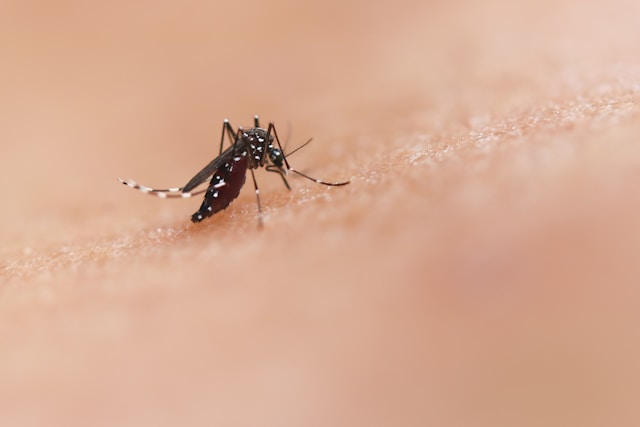
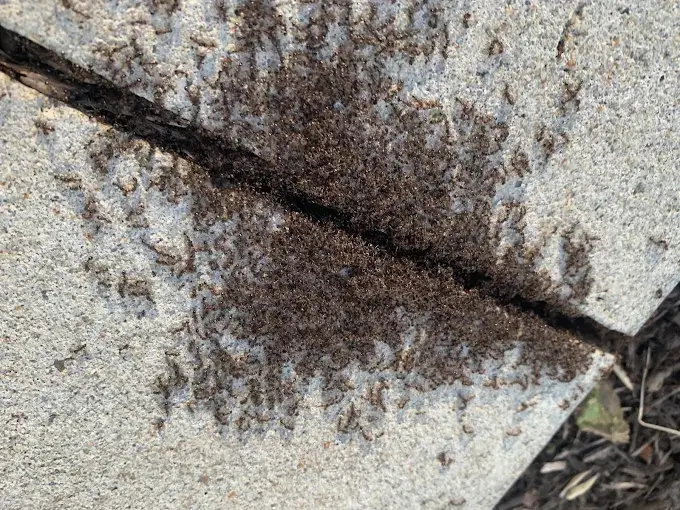
Other structural pests, including ants, cockroaches, rodents, bed bugs, flies, and stinging insects, may also require attention. Coordinated pest management programs ensure that termite prevention aligns with broader property protection efforts.
Routine monitoring reduces the likelihood of emergency interventions and extensive repairs.
Why Professional Assessment Matters
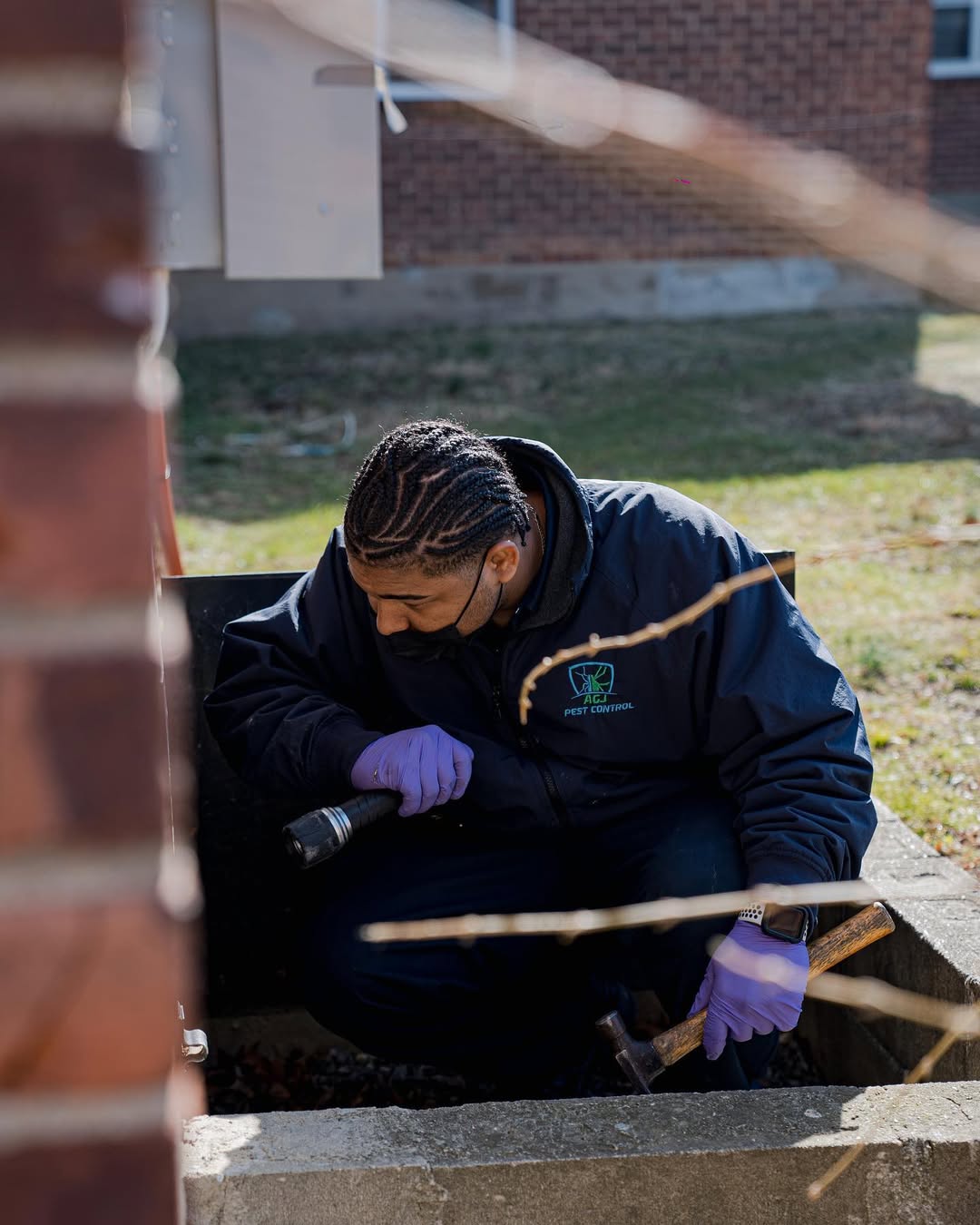
Determining how often termite treatments should be reapplied is not a matter of guesswork. Professional evaluation provides accurate guidance based on property-specific conditions.
Experts consider:
- The original treatment method and application date
- Current environmental factors
- Structural changes since treatment
- Evidence of pest activity
- Manufacturer recommendations
Attempting to estimate reapplication timelines without inspection may result in either premature retreatment or delayed response. Both scenarios carry costs.
Professional termite management prioritizes precision. Rather than reapplying treatments unnecessarily, inspections confirm whether existing barriers remain effective.
When termite activity is identified early, localized intervention can often prevent widespread damage. Conversely, waiting until visible structural deterioration appears may require more extensive corrective measures.
Termite treatments are most effective when supported by consistent inspection schedules and documented findings.
Secure Long-Term Structural Protection
If you are unsure when your termite treatments were last evaluated, professional inspection provides clarity and peace of mind. Contact AGJ Pest Control to schedule a termite assessment and ensure your property remains protected against structural damage.