29+ Google reviews
As temperatures rise across Westchester County, commercial properties experience a noticeable increase in pest activity. Spring creates ideal conditions for insects and rodents to forage, reproduce, and seek shelter indoors. Office buildings, restaurants, retail spaces, medical facilities, and warehouses all face heightened exposure during this season.
Understanding the most common spring pests found in commercial buildings allows property managers to respond proactively. From a professional standpoint, early identification and structured intervention are essential to prevent disruption, contamination, and reputational damage.

Why Spring Triggers Increased Pest Activity
Seasonal transitions significantly influence pest behavior.
- Warmer temperatures accelerate breeding cycles
- Increased rainfall drives pests indoors
- Melting snow exposes overwintering nests
- Food handling areas become more active in hospitality settings
- Open doors and deliveries create entry opportunities
Spring pests often emerge from wall voids, basements, and exterior landscaping where they overwintered. Commercial buildings with heavy foot traffic and regular shipments face additional risk due to frequent door openings and supply movement.
Preparation guidance for seasonal transitions can be seen in this resource about preparing after winter, which highlights how pests adapt when temperatures shift.
In commercial environments, the stakes are higher. Health regulations, customer perception, and operational continuity all depend on maintaining pest-free conditions.
Ants and Cockroaches in Commercial Spaces
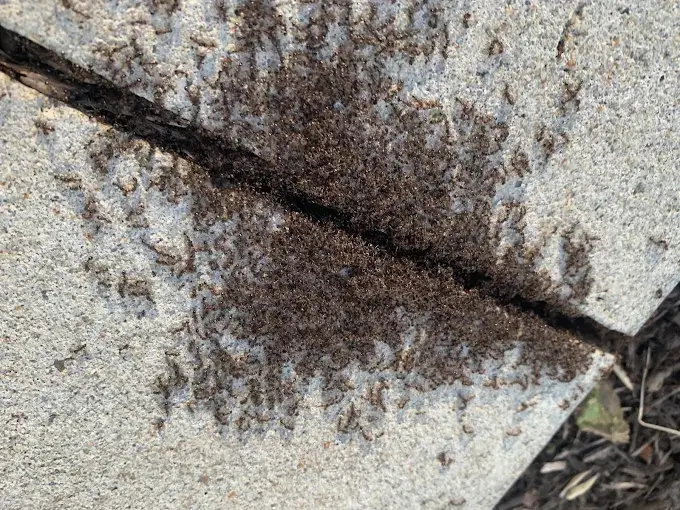
Among the most common spring pests in Westchester County commercial buildings are ants and cockroaches. Both are highly adaptable and thrive in environments where food and moisture are present.
- Ants enter through small structural gaps and follow scent trails
- Break rooms and kitchens attract foraging colonies
- Cockroaches hide behind appliances and inside wall voids
- Moisture from plumbing leaks supports roach survival
- Nighttime activity often goes unnoticed until populations grow
Restaurants and food service facilities are particularly vulnerable, but office buildings are not immune. Even small crumbs or trash accumulation can sustain ant colonies.
Cockroaches present more than a nuisance. They can contaminate surfaces and trigger allergy-related symptoms. Early signs such as droppings or odor should be addressed promptly.
Professional inspection focuses on identifying entry points and nesting areas rather than treating visible insects alone. Surface-level solutions rarely resolve commercial infestations.
Rodents and Structural Invaders
Rodents remain active throughout the year but become more noticeable during seasonal transitions. As spring conditions fluctuate, mice and rats may relocate nesting areas within commercial structures.
- Rodents enter through gaps around utility lines
- Storage rooms and drop ceilings provide shelter
- Food storage areas attract activity
- Gnawing damages wiring and insulation
- Droppings create sanitation concerns
In commercial settings, rodent presence can result in regulatory violations and safety hazards. Damage to wiring increases fire risk, while contamination threatens inventory.
Unlike wildlife, structural rodents fall within routine commercial pest management programs. Monitoring devices, exclusion techniques, and sanitation adjustments form the foundation of professional control.
Rapid identification prevents population growth and reduces the likelihood of repeated service interruptions.
Bed Bugs in High Traffic Facilities
While commonly associated with residential environments, bed bugs are also a concern in certain commercial buildings. Hotels, healthcare facilities, office spaces with upholstered furniture, and public waiting areas face potential exposure.
- Bed bugs travel on clothing and personal belongings
- Upholstered seating offers hiding spaces
- Multi-unit buildings allow spread between rooms
- Early infestations are often difficult to detect
- Delayed action increases treatment complexity
Identifying bed bugs requires careful inspection and confirmation. Signs include small stains, shed skins, and clustered bites reported by occupants.
Understanding the inspection process is critical. This is outlined in the article on identifying bed bug infestations, which explains how professionals confirm activity before treatment.
In commercial buildings, swift response protects both clients and employees. Bed bug incidents can quickly impact reputation if not managed discreetly and thoroughly.
Flies, Wasps, and Other Spring Insects
Additional spring pests frequently encountered in Westchester County commercial environments include flies and stinging insects such as wasps.
- Flies breed in waste areas and organic debris
- Loading docks create access points
- Wasps build nests near rooflines and entryways
- Outdoor dining spaces increase exposure
- Standing water supports insect development
Flies pose sanitation concerns, particularly in food service settings. Wasps create safety risks for employees and customers when nests form near entrances.
Preventative exterior treatments and regular inspections reduce the likelihood of visible infestations. Professional management focuses on eliminating attractants, sealing entry points, and removing nests safely.
Spring pests often overlap, meaning multiple species may be active simultaneously. Comprehensive programs address the entire property rather than isolated incidents.
Commercial buildings require structured pest management plans that align with regulatory standards and operational demands. Reactive approaches may temporarily reduce visible activity but fail to prevent recurrence.
Protect Your Business Before Activity Escalates
Spring pest activity in Westchester County commercial buildings demands proactive attention. Early intervention minimizes disruption and protects your professional reputation. Contact AGJ Pest Control to schedule a commercial inspection and develop a customized plan designed to keep your facility protected throughout the season.