29+ Google reviews
Bed bugs are difficult to manage because they hide where people rest, store belongings, and spend quiet time. A few bites or dark stains may appear on a mattress, but the real activity can be tucked into seams, bed frames, baseboards, furniture joints, closets, outlets, curtains, or nearby rooms. This is why DIY efforts often feel promising at first, then fail when hidden activity continues.
Effective bed bug treatment starts with inspection and evidence, not only with spraying the most visible area. In urban homes and apartments, bed bugs can spread through luggage, furniture, shared walls, laundry areas, visitors, and everyday movement. Professional service looks beyond the obvious surface signs and considers how the infestation developed, where it may be hiding, and what follow-up is needed to confirm progress.

Bed Bugs Hide Better Than Most Pests
Bed bugs are small, flat, and skilled at staying out of sight. They often hide close to sleeping or resting areas, but they can move farther when activity increases or when treatment disturbs them. This makes surface-only efforts unreliable.
- Mattress seams can hide eggs, skins, and small insects.
- Bed frames, headboards, and furniture joints may hold activity.
- Baseboards, cracks, outlets, and wall edges can create protected spaces.
- Nearby sofas, chairs, closets, and luggage can become secondary areas.
A homeowner may treat the bed and still miss several hiding places. Professional inspection helps map the full area of concern before treatment begins, including rooms that appear quiet but still share walls, furniture, or storage with active areas.
Urban Homes Create More Spread Points
Bed bug activity in urban areas can be complicated by density, travel, shared buildings, and frequent movement of belongings. Apartments, multi-family homes, offices, and public transportation exposure can all increase the chances of introduction. Bed bugs do not reflect cleanliness. They spread by hitchhiking.
Understanding urban bed bug sources is important because treatment needs to consider how the insects entered and where they may have moved. A single bedroom may not be the only affected area if people sleep in different rooms, store luggage nearby, or move furniture throughout the home.
DIY efforts often focus on the most uncomfortable room. Professionals evaluate the surrounding spaces so that activity is not left untreated nearby.
Products May Not Reach Eggs And Deep Cracks
Many store-bought products depend on direct contact or limited surface exposure. Bed bugs hidden deep in cracks, fabric seams, furniture joints, and wall gaps may avoid the application entirely. Eggs can also be harder to reach, which means new activity may appear after the homeowner believes the problem is gone.
- Sprays may miss insects hidden behind furniture, trim, or outlets.
- Foggers can push bed bugs deeper instead of reaching the source.
- Eggs may hatch after the first treatment if follow-up is not planned.
- Clutter can block treatment and protect hidden harborages.
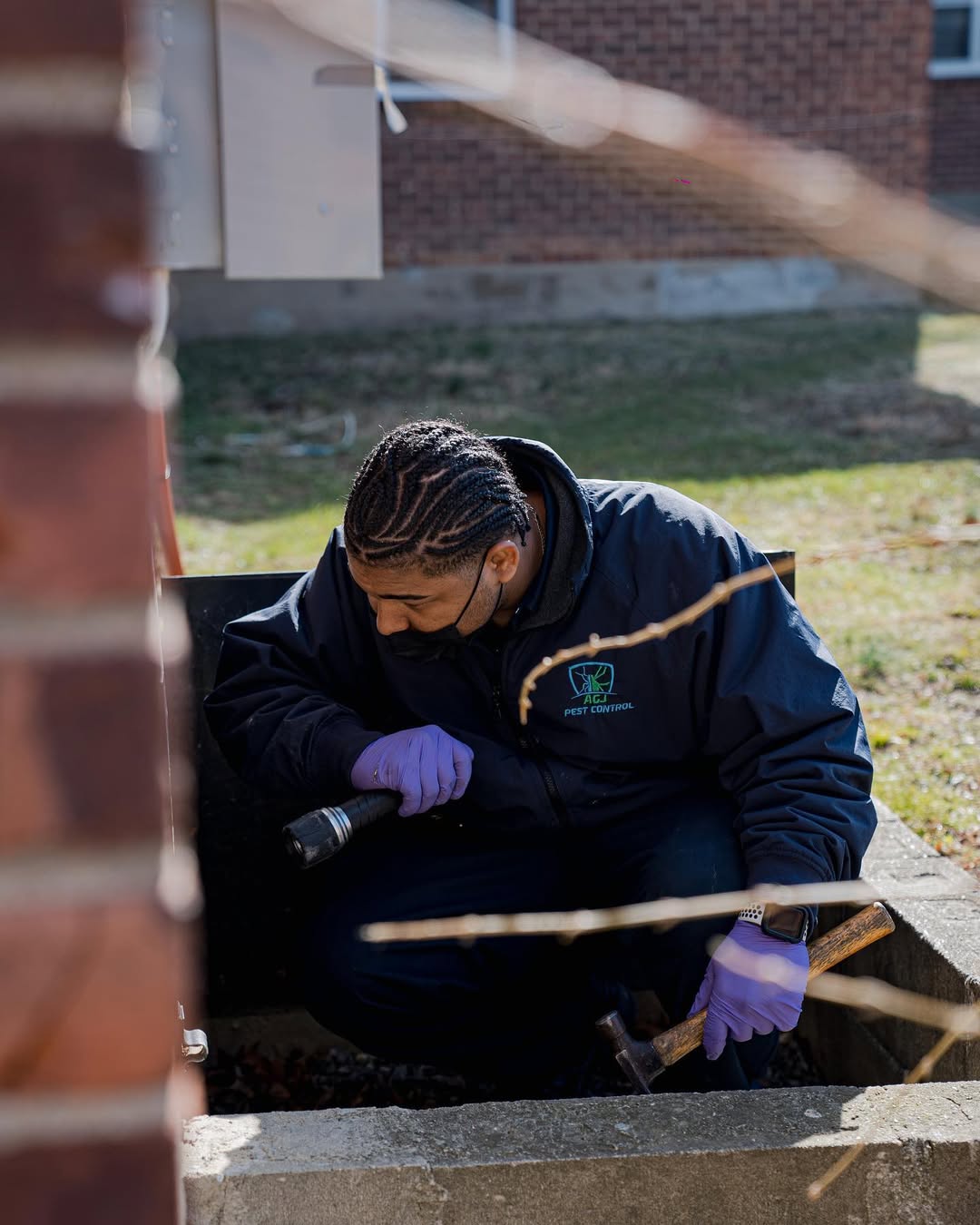
Professional bed bug treatment uses inspection findings to guide placement, preparation, and timing. The process is designed to reach likely hiding areas instead of guessing from visible bites or stains.
Inspections Prevent False Confidence
One of the biggest problems with DIY work is false confidence. Activity may decline briefly after visible insects are killed, but the infestation can continue in protected areas. Without follow-up inspection, it is difficult to know whether the problem is truly improving.
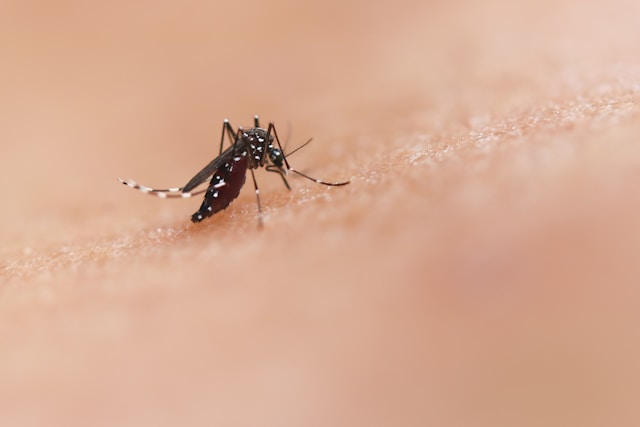
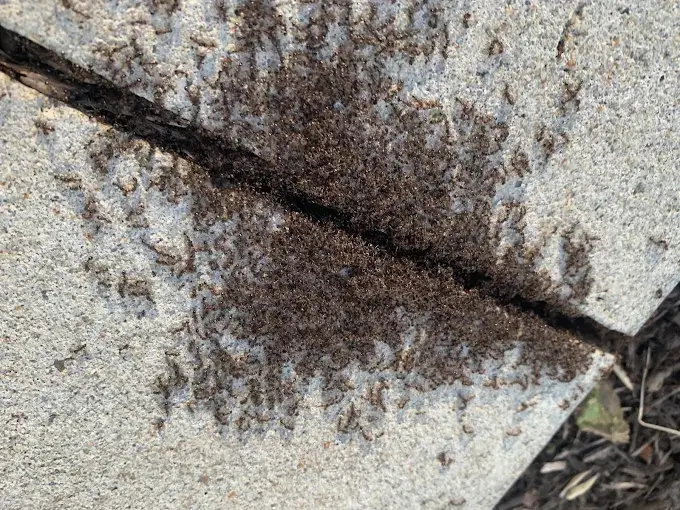
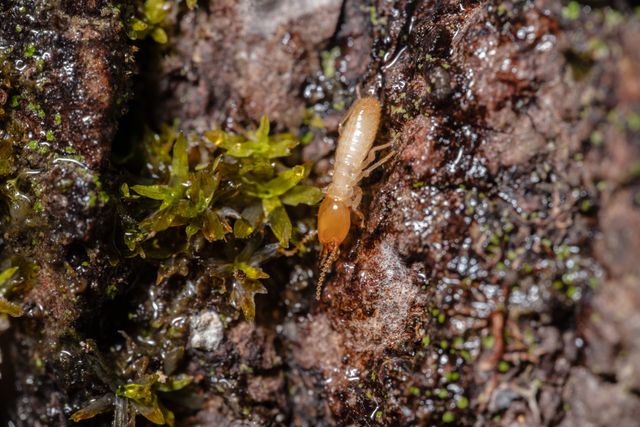
Routine pest inspections help property owners understand what is active, what has changed, and what risks remain. That matters for bed bugs, but also for ants, cockroaches, rodents, termites, mosquitoes, and other common urban pest concerns. Inspection turns uncertainty into a clearer plan.
Professionals look for live insects, eggs, skins, stains, patterns of bites, and movement between rooms. They also review preparation needs so treatment can reach the right areas.
Follow-Up Is Part Of The Solution
Bed bug issues rarely end with one visible response. The insects can hide through treatment, hatch later, or appear in a nearby space that was not part of the first effort. Follow-up helps confirm whether the population is declining and whether additional service is needed.
- Recheck beds, furniture, baseboards, outlets, closets, and luggage areas.
- Track sightings, stains, bites, and new activity after treatment.
- Follow preparation instructions so treatment can reach hidden places.
- Schedule professional support when activity continues after one-time efforts.
A complete plan for bed bugs often includes inspection, preparation guidance, targeted treatment, and follow-up. That same source-based thinking also matters for ants, cockroaches, rodents, termites, mosquitoes, and other common pest concerns. The goal is to reduce guesswork and treat the hidden activity that keeps the problem alive after surface-level efforts appear to work.
Stop Hidden Bed Bug Activity From Spreading
For careful bed bug treatment, detailed inspection, targeted service, and follow-up guidance that helps uncover hidden activity before it spreads further, contact AGJ Pest Control for professional support tailored to your property.