29+ Google reviews
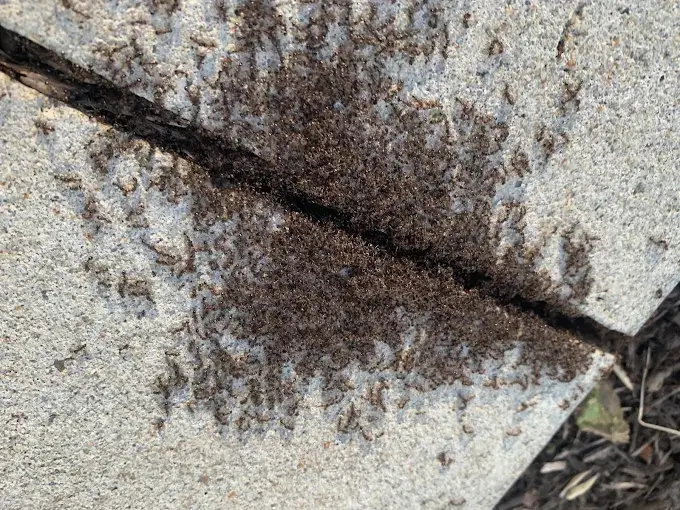
Summer changes the way ants move through New York properties. Heat speeds up foraging, humidity supports nesting conditions, and busy residential or commercial spaces create steady access to food, water, and shelter. A few ants near a kitchen, lobby, breakroom, or window trim can seem minor, but visible trails usually point to organized colony activity nearby.
Professional ant control matters because summer infestations rarely stay still. Ants adjust quickly when food sources shift, outdoor colonies expand, or indoor conditions become more appealing. In apartments, townhomes, offices, restaurants, retail spaces, and older buildings, they may travel through shared walls, foundations, utility lines, and structural voids before appearing in open areas. The issue is not only the ants people see. It is the hidden movement feeding the problem.
New York properties also face pressure from dense neighborhoods, shared walls, delivery traffic, basement moisture, and compact outdoor spaces. These conditions can help ants move from one source to another with little interruption. Once trails form, the colony may keep testing new routes until the real source is addressed.
Summer Conditions Help Ant Colonies Expand
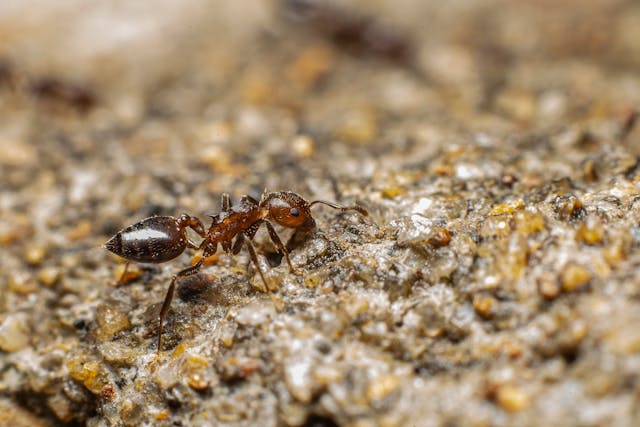
New York summers create the warmth and moisture ants need to become more active. Colonies may send out larger numbers of workers to search for food, while outdoor pressure increases around foundations, sidewalks, landscaping, trash areas, and exterior walls. When storms or irrigation disturb soil, ants may also move closer to buildings.
- Heat increases foraging, which can make trails appear suddenly in kitchens, bathrooms, and work areas.
- Humidity supports nesting opportunities around damp foundations, mulch, wall gaps, and moisture-prone corners.
- Food residue from summer gatherings, deliveries, and outdoor dining can draw ants toward entry points.
- Cracks, utility openings, and shared building lines can give ants quiet access into occupied spaces.
- Surface sprays may scatter visible ants while leaving the colony active and able to reroute.
This is why regular observation matters. A property may look calm in spring, then show trails once summer pressure rises. Routine pest inspections can help identify small changes before ants become established in harder-to-reach areas.
City Buildings Give Ants More Ways To Travel
Ant activity is often more complicated in New York because buildings are close together, heavily used, and structurally varied. Older properties may have foundation gaps, worn seals, pipe penetrations, masonry cracks, basement moisture, and shared walls that support pest movement. In multi-unit buildings, one food source or moisture issue can affect more than one space.
- Apartments may share voids, plumbing lines, and service routes that allow ants to move between units.
- Restaurants and commercial kitchens can attract ants through spills, storage areas, drains, and deliveries.
- Offices and retail spaces may develop activity around breakrooms, trash rooms, bathrooms, and entry doors.
- Basements and lower levels can hold humidity that encourages ants to search nearby for nesting sites.
- Exterior landscaping can place mulch, plants, and damp soil directly against the structure.
A careful inspection helps connect indoor sightings to outdoor or structural conditions. Without that wider view, treatment can focus too narrowly on the counter, sink, or floor where ants were noticed. Ants are persistent because they follow resources. If those resources remain available, activity can rebuild even after visible trails fade.
This is also why ant issues can overlap with broader pest pressure. Roaches, spiders, mice, wasps, mosquitoes, bed bugs, and termites each behave differently, but all benefit from unnoticed openings, moisture, clutter, or food access. A prevention-focused review helps reduce those conditions while keeping the ant concern in context.
Effective Control Targets Colonies, Routes, And Conditions
Strong ant management is not about chasing every ant one by one. The better approach is to identify the species, understand where workers are traveling, and address the conditions that allow colony pressure to continue. Some ants may nest outdoors and enter for food. Others may exploit moisture-heavy areas, wall voids, or structural gaps.
- Identification helps determine whether the issue involves outdoor foraging, indoor nesting, or moisture-related activity.
- Trail tracking reveals how ants are entering, where they are feeding, and which routes they keep using.
- Targeted applications focus on movement patterns instead of broad, unnecessary treatment.
- Entry-point review helps reduce repeated access through cracks, gaps, doors, windows, and utility lines.
- Follow-up monitoring shows whether the colony pressure is declining or shifting.
Professional ant control provides more precision because the plan is shaped by evidence found on-site. For property owners comparing options, this guide on ant solutions explains why species behavior, nesting patterns, and property conditions should guide the response.
Long-term stability comes from combining treatment with prevention. That may include identifying attractants, improving sanitation habits, reducing moisture, closing access points, and monitoring areas where ants were active before. The more accurately the source is understood, the less likely the property is to rely on repeated short-term reactions.
Stop Summer Ant Trails Before They Settle In
Summer ant problems can worsen quickly when heat, humidity, food access, and building gaps work together. For careful inspections and practical ant control, contact AGJ Pest Control for professional services.