29+ Google reviews
A pest inspection is one of the most practical ways to protect a property before pests become disruptive, expensive, or difficult to control. Many infestations do not begin with obvious signs. Ants may start near a small moisture source, bed bugs may hide in tight furniture seams, mosquitoes may develop around standing water, and termites may damage wood long before the problem is visible.
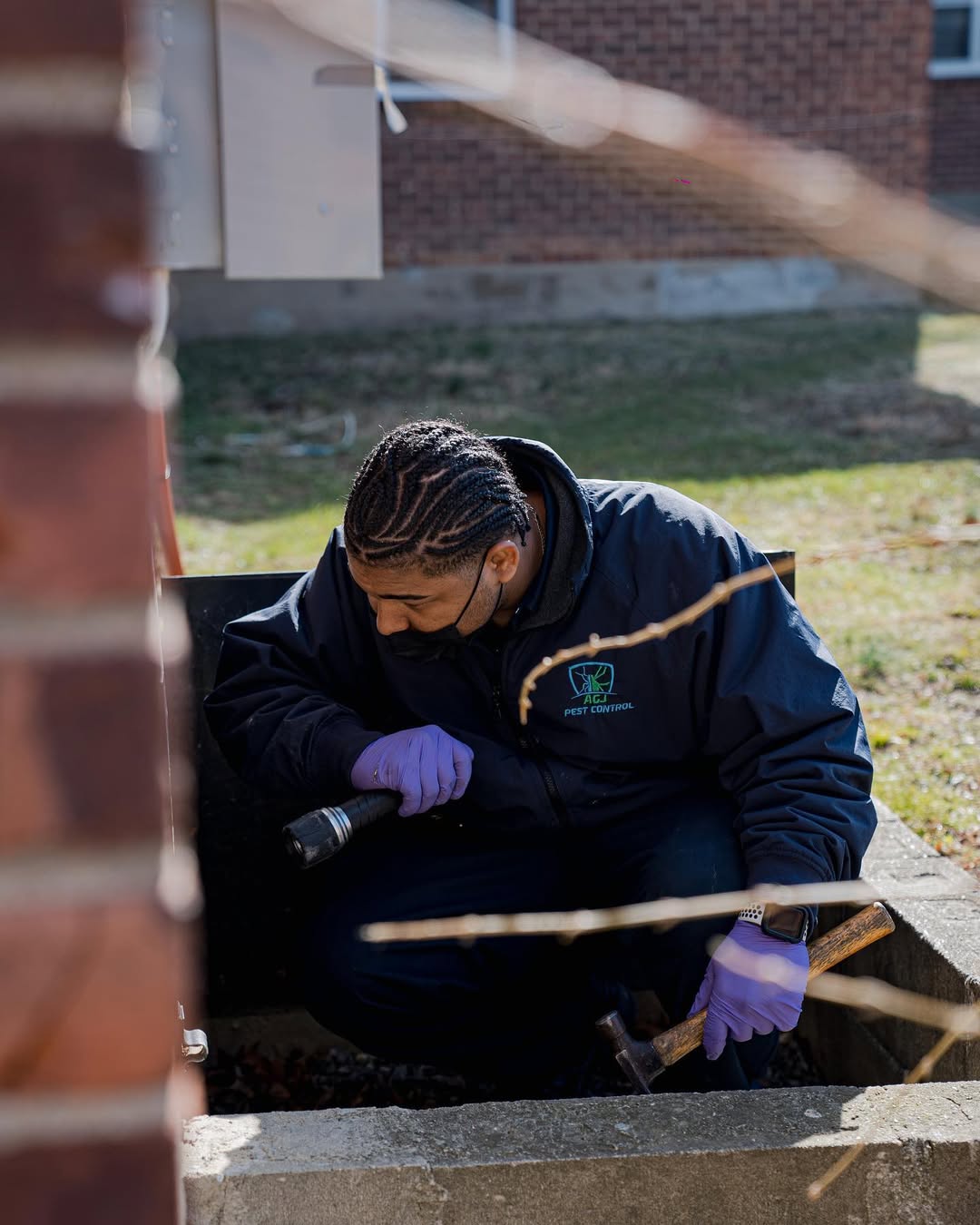
Inspections help reveal these early warning signs. Instead of waiting for activity to spread, trained professionals review the interior, exterior, high-risk zones, and seasonal conditions that support pest movement. This matters for homes, apartments, offices, restaurants, retail spaces, and other businesses where comfort, sanitation, and long-term property value matter.

Early Inspections Catch Small Problems Before They Spread
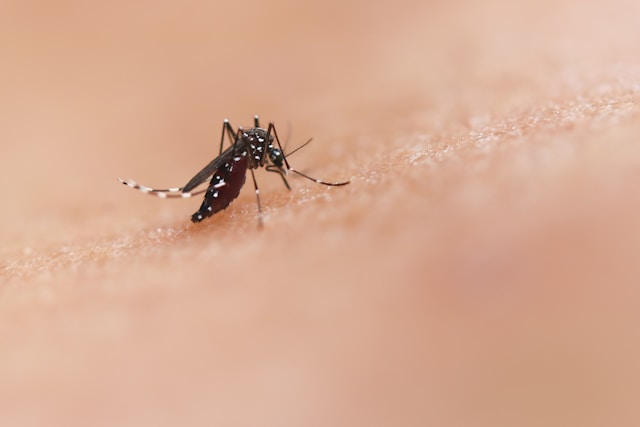
Pests often build quietly. A few ants in a kitchen may point to a colony nearby. A small bed bug sign near a mattress may indicate activity in the room. Mosquitoes around a yard may come from an overlooked water source. Termites may move through wood or soil-contact areas without drawing attention.
A careful inspection looks for clues that connect to larger risks.
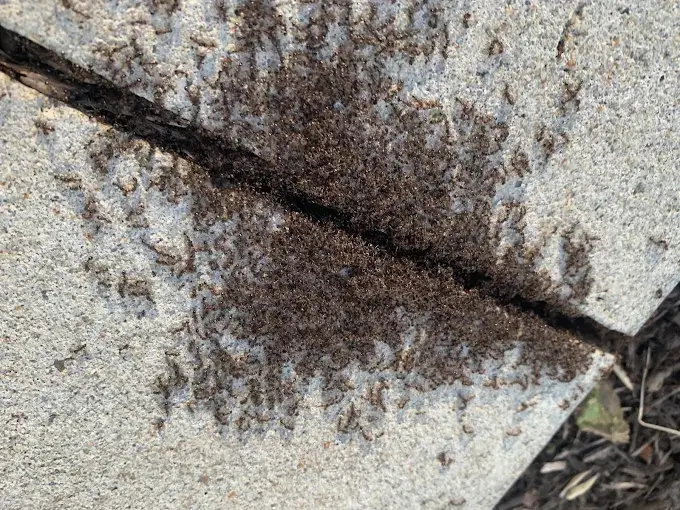
- Trails. Ant movement near sinks, counters, doors, or foundation edges can reveal food and moisture sources.
- Bites. Bed bug concerns may begin with marks, stains, shed skins, or hidden activity near resting areas.
- Moisture. Damp soil, leaks, and standing water can support termites, ants, and mosquitoes.
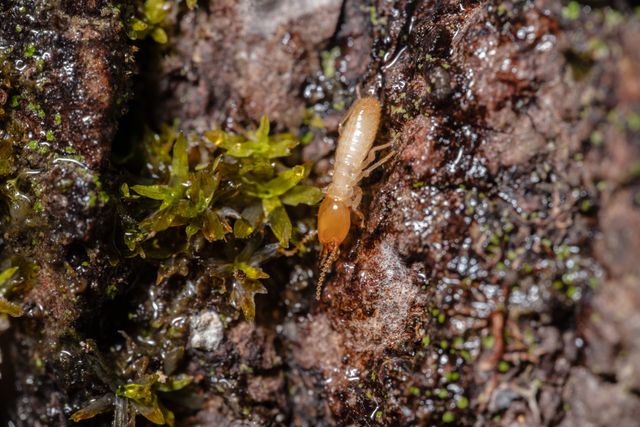
- Wood. Soft trim, damaged framing, or suspicious surfaces may need termite evaluation.
- Access. Small cracks, vents, door gaps, and utility openings can allow pest movement.
Early attention helps prevent a minor concern from becoming a building-wide or property-wide problem.
Preparation Makes Professional Service More Effective
A pest inspection is more useful when the property is ready to be evaluated. Clear access allows technicians to review baseboards, storage spaces, plumbing areas, exterior walls, and other high-risk zones without missing important details. This means making key areas easier to inspect.
Before service, it helps to understand simple home preparation steps that support a more complete visit. Clean counters, accessible cabinets, reduced clutter, and clear communication about pest sightings can all improve the inspection process.
Helpful preparation details include:
- Access. Keep areas near walls, sinks, utility spaces, and affected rooms reachable.
- Notes. Share where pests were seen, when activity started, and whether it repeats.
- Storage. Reduce unnecessary clutter that may hide bed bugs, ants, or termite clues.
- Cleaning. Remove food residue that could confuse inspection findings.
- Questions. Ask what was found, what it means, and what steps come next.
Good preparation helps the technician identify the source rather than only the surface activity. It also helps property owners understand how prevention, treatment, and follow-up work together.
Inspections Help Choose The Right Treatment Method
Not every pest concern should be handled the same way. Ant control may require trail tracking, bait placement, and entry-point review. Bed bug treatment needs inspection of resting areas, seams, furniture, and nearby belongings. Mosquito control often depends on identifying standing water, shaded resting zones, and outdoor conditions. Termite control requires evaluation of wood, moisture, soil contact, and hidden structural risk.
The right method depends on the pest, location, severity, and property use. A discussion of natural pest options can help explain why product choice should be guided by inspection findings, not guesswork. Natural-leaning, low-impact, or traditional methods may all have a place when matched properly to the situation.
Inspection-based service supports smarter decisions.
- Identification. The pest is confirmed before a treatment plan is selected.
- Placement. Products or tools are applied where activity is likely to continue.
- Safety. Treatment planning considers people, pets, rooms, and business operations.
- Prevention. Conditions that attract pests are addressed alongside active treatment.
- Follow-up. Future visits confirm whether activity is declining or shifting.
This approach is more dependable than treating every sighting as an isolated issue.
Routine Checks Protect Long-Term Property Value
Regular pest inspections are not only for infestations. They help protect the structure, comfort, and reputation of the property over time. Homes benefit from fewer surprises in kitchens, bedrooms, basements, and outdoor spaces. Businesses benefit from cleaner operations, documentation, and fewer pest disruptions.
Termites are a strong example of why routine checks matter. Damage can develop slowly and remain hidden until repairs become more serious. Bed bugs can spread through rooms if early signs are missed. Ants can return when moisture or food sources remain. Mosquitoes can become a repeated outdoor problem when breeding areas are not corrected.
The value of an inspection is the information it provides. It helps show what is active, what may become active, and what conditions should be corrected before pests gain a stronger hold. A consistent schedule also creates history, making it easier to compare changes after weather shifts, renovations, tenant turnover, or seasonal activity.
Protect The Property Before Pests Settle In
Regular inspections help uncover ants, bed bugs, mosquitoes, termites, and hidden pest risks before they become harder to manage. A professional review gives property owners clearer answers, better prevention, and a more reliable long-term plan. For dependable pest inspection support, contact AGJ Pest Control.