29+ Google reviews
As temperatures drop, many homeowners notice increased activity from rodents, ants, roaches, and even small wildlife seeking shelter indoors. Exterior doors are among the most common points of entry during cold months, making winter pest-proofing an essential part of seasonal home maintenance. Gaps, worn weatherstripping, loose thresholds, and damaged door frames create opportunities for pests that thrive in winter to slip in unnoticed. Taking a strategic approach to door protection helps maintain a comfortable home environment while reducing the likelihood of unwanted intruders settling in until spring.
A thorough evaluation of your exterior doors helps identify vulnerabilities that might not be visible during warmer months. Winter conditions intensify pest pressures, and even minor defects can lead to significant infestations if left unresolved. This checklist outlines the most important steps for reinforcing your home’s exterior doors, with a focus on techniques that support long-term control and reduce the risk of seasonal pest problems.

Understanding Why Exterior Doors Are High-Risk Entry Points
Cold weather pushes rodents, ants, roaches, and other local pests to search for warmth and access to food sources. Exterior doors naturally attract these pests because they connect outdoor conditions with indoor comfort. Several factors make doorways especially vulnerable during winter.
- Shifting materials: Wood frames and door seals contract in cold temperatures, creating gaps that were not noticeable earlier in the year. Even small openings can allow mice or insects to slip indoors.
- Moisture buildup: Snow, ice, and condensation can weaken door thresholds or cause warping that breaks the protective seal.
- Frequent use: Doors that open and close dozens of times each day wear down faster, loosening components that help protect against infiltration.
- Heat loss: Warm air escaping from gaps around the door attracts pests searching for stable shelter.
Because these issues often develop slowly, homeowners may not realize how accessible their doors have become until pests show signs of activity inside the home. Regular inspection is a core part of winter pest-proofing and helps identify structural weaknesses early.
Inspecting Weatherstripping and Door Seals for Winter Protection
Weatherstripping plays an essential role in blocking rodents and insects from entering through tiny openings. When temperatures fall, seals may stiffen or detach from the door frame, reducing their effectiveness. A detailed inspection helps determine what needs repair before cold weather brings increased pest pressure.
Key areas to evaluate include:
- Side jambs and top seals: These are common locations for air leaks and small gaps that pests can exploit.
- Door sweeps: Positioned along the bottom of the door, sweeps prevent rodents and cockroaches from crawling underneath. Any fraying or cracking reduces protection.
- Threshold alignment: A poorly aligned threshold allows cold air and pests to travel directly into the home.
- Moisture damage: Damp or moldy weatherstripping loses its structure and must be replaced.
For best results, materials should fit tightly without restricting normal door function. Proper sealing prevents heat loss and significantly reduces the likelihood of winter pests following warm air currents into your living space.
Strengthening Door Frames and Exterior Surfaces
Door frames endure heavy stress during winter due to fluctuating temperatures and moisture exposure. When weakened, they create ample opportunities for pests such as rodents and small wildlife to exploit structural vulnerabilities. Reinforcing these areas helps ensure long-lasting winter pest-proofing and keeps entry points secure.
Important steps include:
- Repairing cracks or separations: Small openings in wooden frames provide rodents with quick access to wall voids. Sealing these gaps prevents nesting activity near entryways.
- Checking for loose hardware: Screws, hinges, and strike plates can loosen over time. Tightening them increases pressure between the door and frame, reducing gaps.
- Inspecting exterior trim: Damaged or rotting trim can create sheltered spaces where ants and roaches can hide before entering the home.
- Evaluating door material durability: Metal and fiberglass doors may resist warping better than untreated wood in winter conditions.
These structural improvements create a stronger barrier against winter pests and support overall energy efficiency.
Additional Preventive Measures for Cold-Weather Pest Control
A strategic winter maintenance plan involves more than sealing doors. Complementary measures strengthen your defenses and discourage pests from targeting entry points. These steps help create a holistic approach to seasonal protection and reduce the risk of recurring problems.
- Maintain proper lighting: Bright lighting around exterior doors can deter nocturnal pests such as rodents and wildlife.
- Clear outdoor debris: Leaves, firewood, and clutter near doors provide cover for pests waiting to enter when the door opens.
- Address moisture sources: Ensure gutters and downspouts direct water away from door frames to prevent wood decay that attracts ants and roaches.
- Trim vegetation: Overgrown bushes and branches give pests direct pathways to door surfaces.
- Monitor signs of rodent trails: Footprints, droppings, or gnaw marks near doors often indicate a hidden entry gap.
Using these strategies together enhances the effectiveness of your winter pest-proofing plan and protects your home from seasonal intrusions.
Why Professional Assessment Strengthens Winter Door Protection
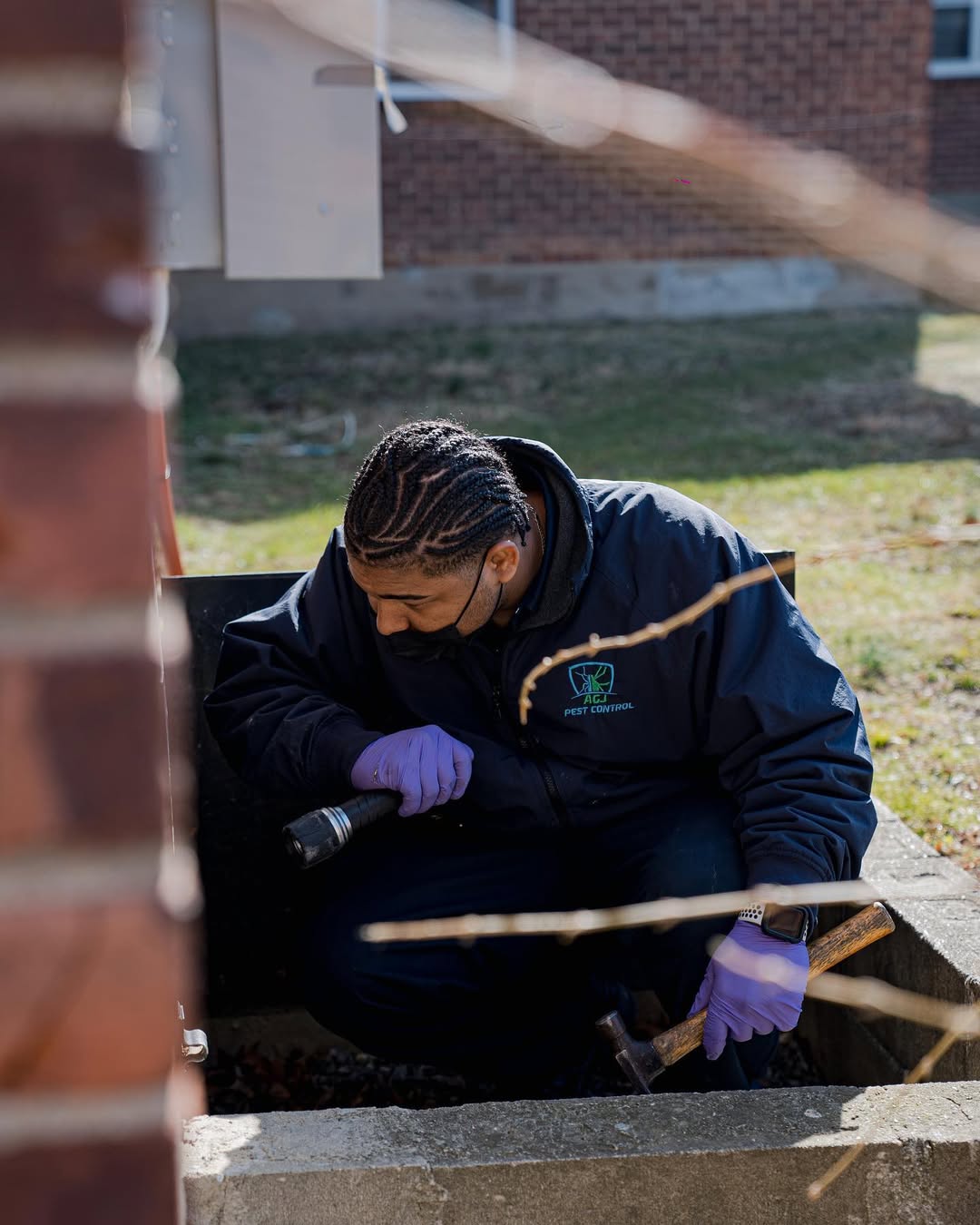
While many homeowners perform basic winter pest-proofing steps each season, professional assistance provides an added layer of protection that is difficult to achieve alone. Specialists have the training to identify subtle entry points that may not be visible during a casual inspection. They also understand how pest behavior shifts during the winter months and how these changes influence where pests attempt to enter.
Professionals can evaluate whether rodents are exploiting gaps beneath the door, determine if ants are nesting near exterior walls, or identify roach activity that indicates moisture problems. They can also assess whether wildlife attempts to push through weakened door frames or siding. This expertise ensures that winter pest-proofing is thorough and proactive rather than reactive.
Combining personal maintenance with expert evaluation results in a stronger defense system that supports both comfort and safety throughout the cold season.
Strengthen Your Home Before Winter Arrives
For a detailed assessment of exterior doors and seasonal pest risks, reach out to AGJ Pest Control for expert guidance and reliable protection.