29+ Google reviews
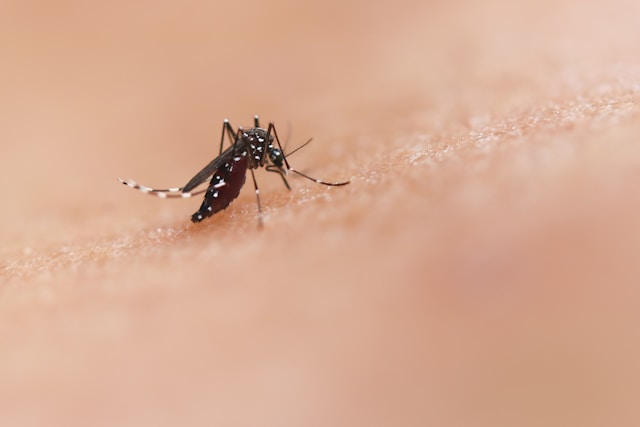
Summer in New York can make outdoor spaces feel active, humid, and busy. It can also create ideal conditions for mosquitoes. Warm evenings, rainfall, irrigation, shaded yards, roof drains, planters, and dense landscaping can all help mosquitoes develop or rest close to people. For residential and commercial properties, mosquito activity can affect patios, courtyards, entrances, gardens, and shared outdoor areas.
Mosquito Prevention works best when it begins before biting becomes constant. Mosquitoes need water to develop, but they also need shaded resting areas and access to people or animals. A good plan looks at the whole property, not only the spots where bites happen. In urban and suburban settings, the same conditions that support mosquitoes can also attract ants, roaches, spiders, mice, wasps, bed bugs, and termites, so seasonal inspection can reveal multiple concerns.

Start With Water Sources
Mosquitoes can develop in surprisingly small amounts of standing water. A bottle cap, clogged drain, plant saucer, or low spot that holds rainwater can become a source if it remains undisturbed. New York properties often have compact outdoor areas where water can collect unnoticed.
- Check planters, buckets, toys, and storage bins after rainfall.
- Review gutters, roof drains, and downspouts for slow drainage.
- Watch courtyards, basement entries, and low pavement areas for pooling.
- Refresh pet bowls, birdbaths, and outdoor water features regularly.
Water checks are important, but they are only one part of the issue. Professional inspection can identify hidden moisture points that are easy to overlook, especially around multi-family buildings, commercial properties, and shaded exterior spaces.
Inspect Before Activity Spreads
Mosquitoes are often noticed only after they become disruptive. By then, breeding sites and resting areas may already be active around the property. A seasonal inspection helps identify the conditions that support them before outdoor areas become uncomfortable.
Regular pest inspections are useful because they help property owners connect visible activity with hidden causes. Mosquitoes may be tied to standing water, while ants, roaches, spiders, mice, wasps, termites, and bed bugs may point to entry points, moisture, storage, or structural concerns.
For New York properties, inspection is especially valuable because outdoor space can be limited and shared. A small drainage issue near one unit, alley, roofline, or courtyard can affect several people. Professional eyes help separate isolated nuisance activity from a pattern that needs a more structured response.
Manage Shade, Plants, And Resting Areas
Adult mosquitoes often rest in cool, shaded, protected areas during the day. They may gather around shrubs, tall grass, ivy, fence lines, under decks, behind outdoor furniture, or near damp walls. These resting places can keep mosquitoes close to people even after obvious water sources are reduced.
- Trim dense vegetation near entrances, patios, walkways, and seating areas.
- Reduce clutter where mosquitoes can rest away from the sun and wind.
- Keep grass, weeds, and plant growth managed around property edges.
- Pay attention to shaded corners where moisture and still air overlap.
This is where a professional plan becomes more efficient. Treatment can focus on the areas mosquitoes actually use, rather than treating open spaces that may not be the source of activity.
Prepare The Property For Better Service
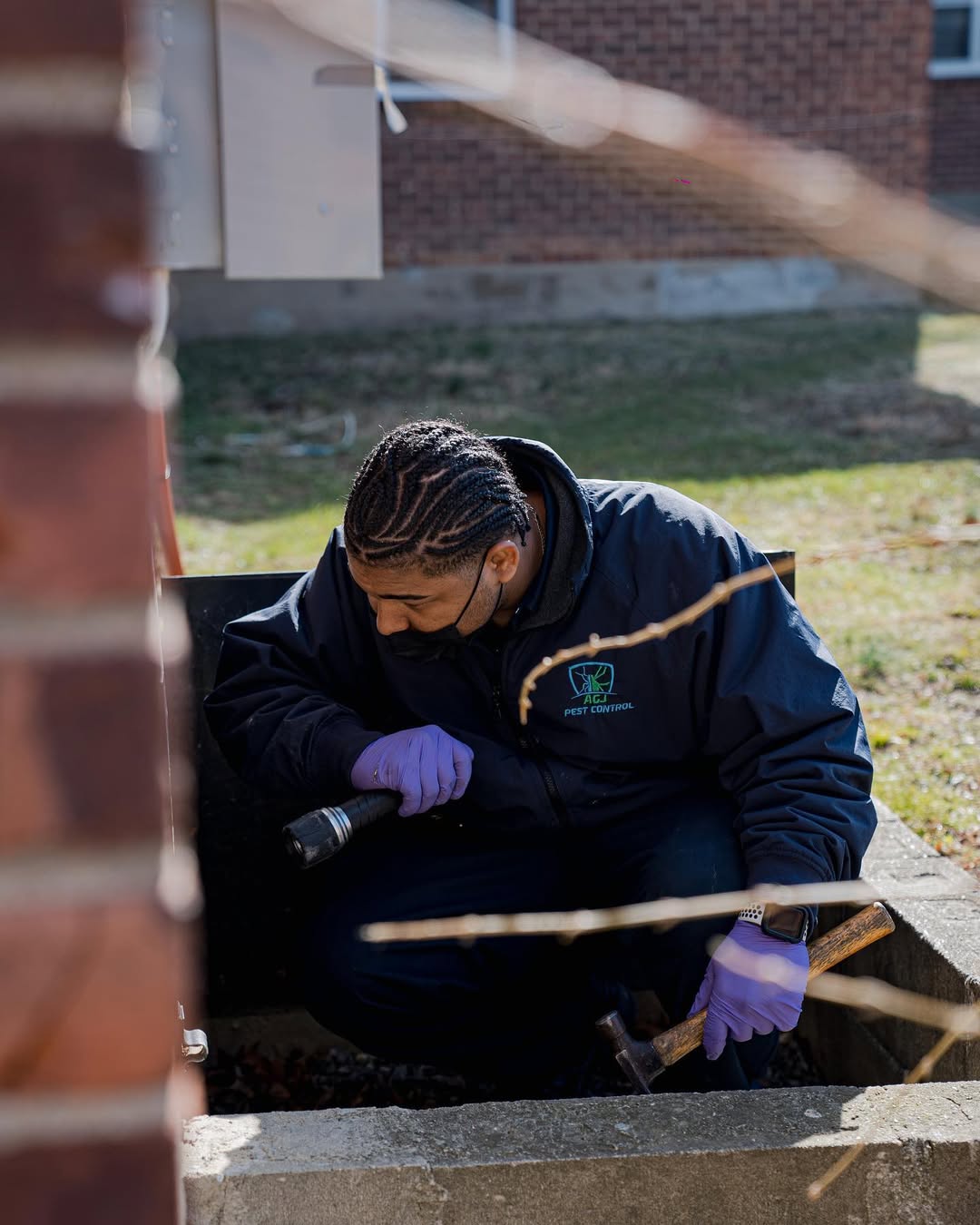
Professional mosquito service is most effective when the property is ready for inspection and treatment. Access matters. Technicians need to review outdoor areas, water sources, resting zones, entry points, and high-use spaces where people gather. Simple preparation can help the service reach the right areas without unnecessary delays.
A guide on service preparation is helpful because preparation supports better results for many pests, not only mosquitoes. Clearing access, noting recent sightings, and identifying concern areas can help technicians evaluate the property more accurately.
For mosquitoes, preparation may include pointing out problem times, frequent biting zones, roof or yard drainage concerns, and places where water has collected after storms. These details help shape a more targeted service plan.
Plan For Long-Term Seasonal Protection
Mosquito pressure can change throughout the summer. Rain, heat, humidity, irrigation, landscaping growth, and nearby property conditions can all bring activity back after a quiet period. That is why one-time attention may not provide the most reliable seasonal relief.
- Schedule inspections before mosquito activity becomes heavy.
- Track where and when biting is most noticeable.
- Review water sources after storms, watering changes, or maintenance work.
- Use professional follow-up when mosquitoes return to the same areas.
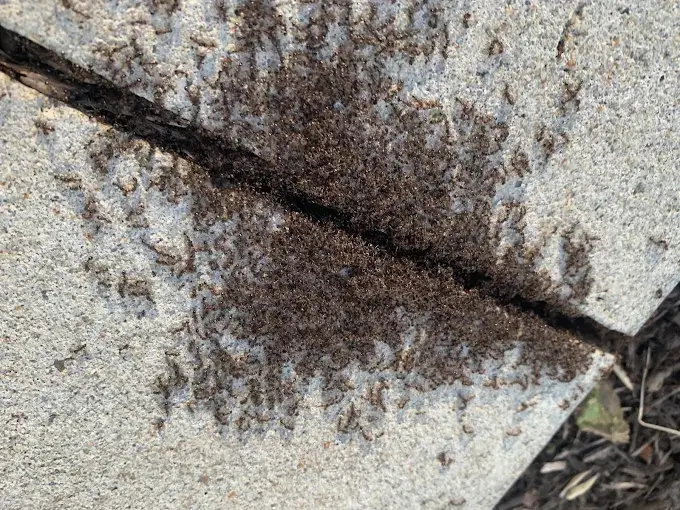
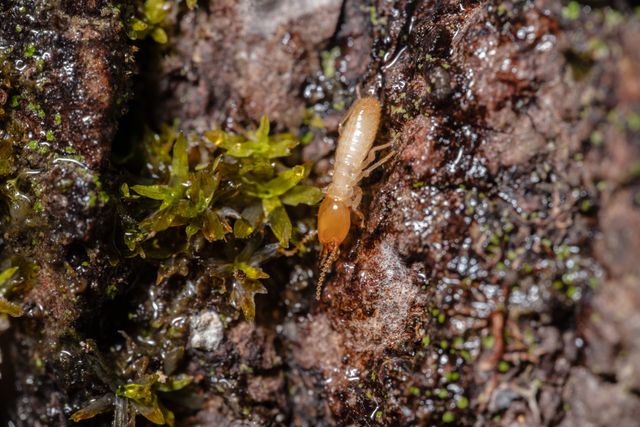
A long-term plan can also support broader pest awareness. Ants may follow moisture and food sources. Roaches may hide in damp utility areas. Mice can use structural gaps. Wasps may build around rooflines. Bed bugs and termites require specialized inspection when evidence appears. When mosquito control is part of a larger seasonal strategy, property owners can respond earlier and reduce repeated disruptions.
Make Summer Outdoor Areas More Comfortable
For Mosquito Prevention that considers water sources, shaded resting areas, inspection findings, and seasonal property conditions, contact AGJ Pest Control for professional support tailored to New York homes, buildings, and outdoor spaces.