29+ Google reviews
Ants are one of the most common household pests, yet they are also among the most misunderstood. A few ants near a sink or countertop are often brushed off as a minor inconvenience. However, what appears to be a small issue can indicate a much larger infestation developing behind walls, under floors, or outside the structure itself. From a professional standpoint, ant activity is rarely random and should be evaluated carefully.
Understanding how ants establish colonies, why infestations persist, and when ant control becomes a professional matter helps homeowners avoid repeated invasions. Early recognition plays a critical role in limiting the spread, reducing disruption, and protecting the home from long-term issues associated with unchecked ants.

Why Ant Activity Escalates Quickly Indoors
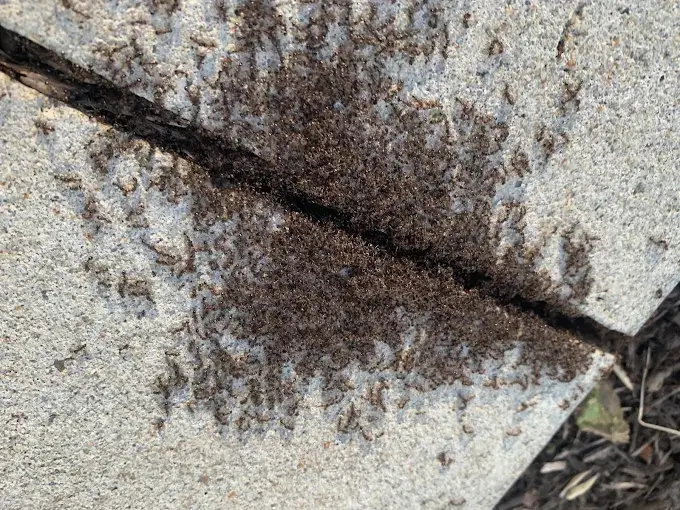
Ants are highly organized insects that rely on communication and established trails to access food and water. Once a scout ant locates a resource inside a home, it leaves a chemical trail that attracts others. This is why infestations often appear to worsen suddenly, even if initial activity seemed minimal.
Several conditions contribute to rapid indoor ant expansion:
- Consistent access to food or moisture
- Cracks or gaps along foundations and entry points
- Seasonal weather changes are driving ants indoors
- Proximity to outdoor nesting sites near the structure
What homeowners see is often only a fraction of the colony. Foraging ants represent a small percentage of the population, while the main nest remains hidden. Without addressing the colony itself, activity continues regardless of surface-level changes. Targeted professional ant control focuses on locating contributing conditions and reducing what sustains the colony, not just what is visible.
Signs an Ant Problem Is More Than Occasional
Occasional ants can happen in many homes, but certain patterns strongly suggest the need for professional attention. These indicators point to established colonies rather than incidental entry.
Professionals pay close attention to signs such as:
- Repeated ant trails appearing in the same locations
- Activity returning shortly after cleaning or disruption
- Ants emerging from walls, baseboards, or flooring seams
- Increased sightings during colder or wetter periods
When ants continue to reappear despite routine upkeep, it often indicates that nests are established either within the structure or just outside it. At this stage, ant control requires identifying the colony location, species behavior, and the environmental drivers that keep ants coming back.
Structural and Environmental Risks Linked to Ant Infestations
Ants are not only a nuisance. Certain species can contaminate food, spread through wall voids, and signal moisture conditions that support long-term pest pressure. Moisture-seeking ants may point to hidden leaks, damp framing, or condensation that creates favorable nesting conditions.
Common risks associated with persistent ant infestations include:
- Contamination of stored food and preparation surfaces
- Expansion into wall voids and insulation spaces
- Increased entry access around foundations and seams
- Activity patterns tied to moisture or structural vulnerabilities
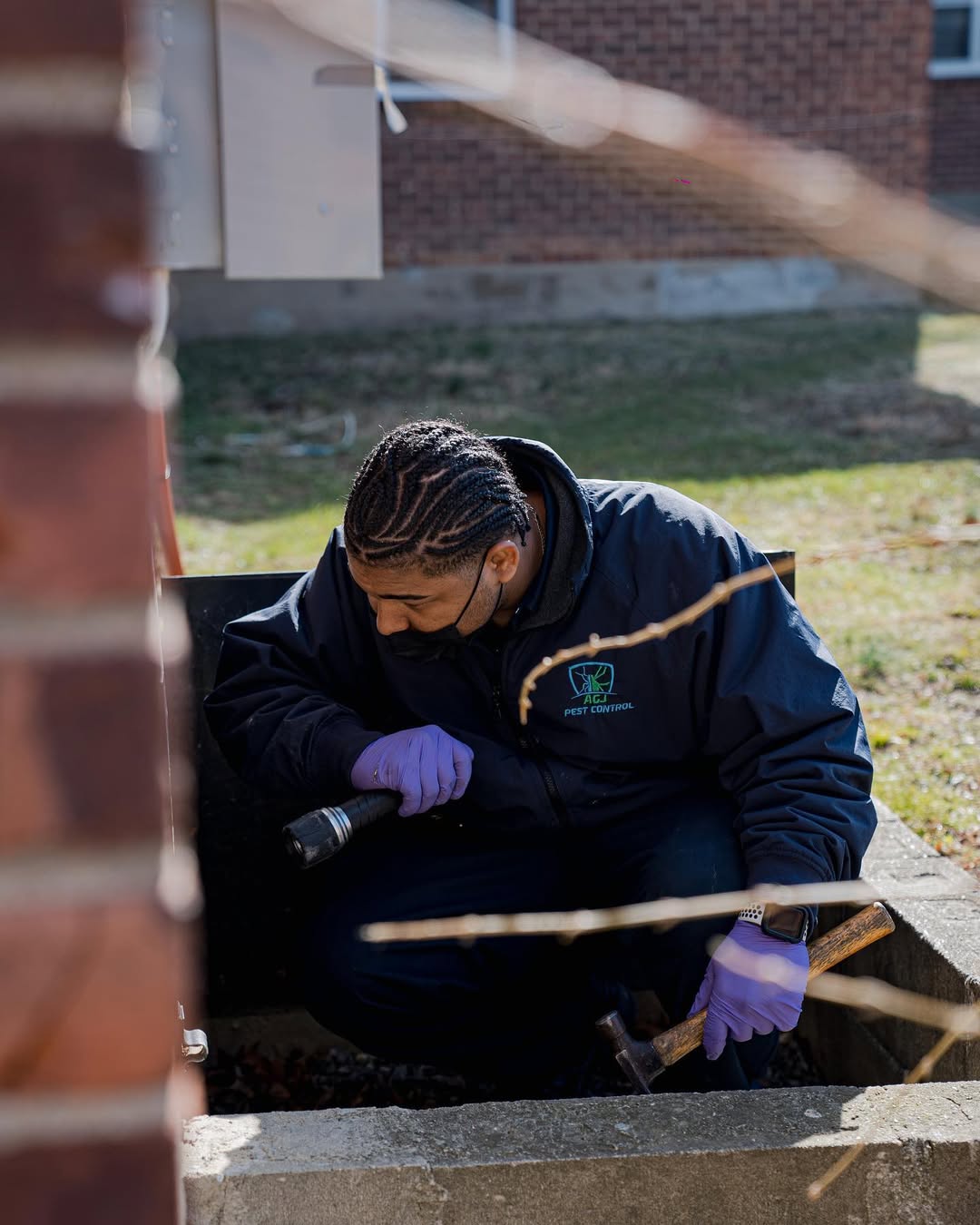
Professional evaluations consider how environmental factors contribute to ant activity, including moisture, access points, and harborage zones. Early detection also supports eco-friendly pest control by reducing unnecessary exposure while focusing on prevention and precision where it matters most.
Why Seasonal Changes Affect Ant Behavior
Ant invasions often become more noticeable during seasonal transitions. Temperature shifts, rainfall, and reduced outdoor resources drive ants to seek shelter indoors. Winter and early spring can be particularly deceptive periods because ant activity may appear sporadic while colonies remain active nearby, protected in insulated areas.
Professionals anticipate these patterns and assess exterior vulnerabilities before infestations escalate. Small gaps around doors, thresholds, and weather stripping can allow steady entry that homeowners miss, especially when foot traffic and airflow mask subtle movement activity. Reviewing a winter door checklist can help identify common entry vulnerabilities that support repeated indoor sightings.
Understanding seasonal pressure helps professionals determine when an ant activity signals a short-term intrusion versus an established colony. This insight is essential for planning ant control that addresses the source rather than repeatedly responding to symptoms.
When Professional Ant Control Becomes Necessary
Professional ant control is most effective when infestations are identified early and evaluated thoroughly. Experts assess not only where ants are visible but also where colonies are likely located, how ants are accessing the structure, and what conditions are sustaining them.
Professional involvement becomes necessary when:
- Ant activity persists across multiple areas of the home
- Infestations return even after routine cleaning and storage changes
- Ants are present during colder months or off-season periods
- Moisture issues or structural vulnerabilities are suspected
From an expert perspective, addressing ants is not about eliminating visible insects alone. It involves understanding colony structure, seasonal movement, and the environmental conditions that fuel repeat invasions. This comprehensive approach prevents cycling activity and reduces household disruption over time.
Ignoring these indicators allows colonies to expand and establish additional nesting sites, increasing the complexity of resolution. Professional assessments provide clarity through accurate identification and targeted strategies that protect the home while minimizing unnecessary intervention.
Break the Ant Invasion Pattern
If ants keep returning or spreading through multiple rooms, professional insight can help pinpoint the source and stop the cycle. Contact AGJ Pest Control to discuss ant control options designed for lasting protection.