29+ Google reviews
A termite infestation often develops quietly, causing damage long before visible warning signs appear. Termites feed on cellulose, which makes structural wood one of their primary targets. Framing, subfloors, beams, and support posts can all become feeding sites if left unprotected. Because termites remain hidden while feeding, prevention strategies must focus on reducing wood vulnerability rather than reacting after damage is discovered.
From a professional perspective, wood treatments are one of the most reliable tools for termite prevention. These treatments work by altering the conditions termites rely on for survival, making treated wood less attractive or inhospitable before colonies establish themselves inside a structure.
Why termites target untreated wood
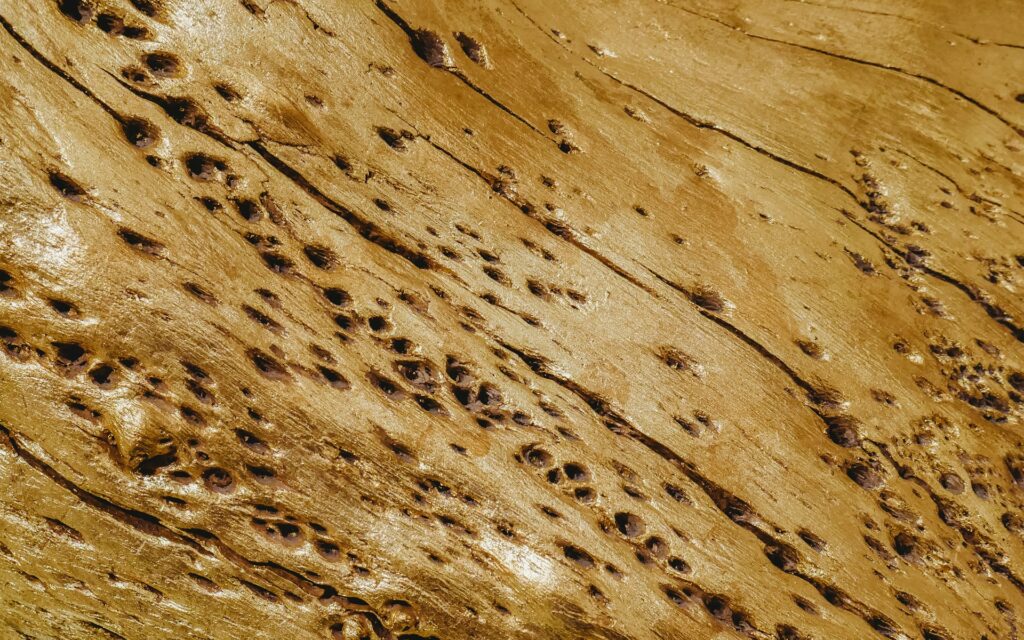
Termites are driven by survival efficiency. Untreated wood provides a readily available food source that allows colonies to expand without interruption. When wood is unprotected, termites can feed continuously while remaining concealed within walls, floors, and crawl spaces.
Several conditions increase termite attraction to untreated wood:
- High cellulose content that supports colony growth
- Lack of chemical or physical deterrents
- Moisture that softens wood fibers
- Dark, enclosed spaces that allow undisturbed feeding
Once termites gain access, they can remain active for years if conditions remain favorable. This makes early prevention critical. Treating wood before termites arrive helps remove one of the key elements that allows a termite infestation to take hold.
How wood treatments interrupt termite behavior
Wood treatments prevent termite infestations by disrupting how termites interact with treated materials. Instead of simply blocking access, these treatments affect feeding, movement, and survival at the material level.
Professionally applied wood treatments interrupt termite behavior by:
- Creating a protective barrier within the wood structure
- Making treated wood unattractive or toxic to termites
- Disrupting digestive processes after ingestion
- Preventing termites from spreading deeper into the structure
When termites encounter treated wood, their ability to feed and survive is significantly reduced. This interruption prevents colonies from expanding and often forces them to abandon treated areas entirely. Unlike surface solutions, wood treatments work within the material itself, which provides long-lasting protection when applied correctly.
Types of wood treatments used in termite prevention
Different types of wood treatments are selected based on construction style, exposure risk, and environmental considerations. No single treatment fits every situation, which is why professional assessment is important.
Common wood treatments used in termite prevention include:
- Pressure-treated wood that contains protective compounds
- Borate-based treatments applied to exposed framing
- Preventive coatings for crawl spaces and basements
- Targeted treatments during renovations or repairs
Borate-based products are widely used because they penetrate wood fibers and remain effective for extended periods when protected from moisture. Pressure-treated wood provides built-in resistance and is often used in areas with frequent soil contact or higher termite pressure.
Environmental impact is also considered when selecting treatment methods. Responsible prevention balances effectiveness with safety. This approach is discussed further in this resource on eco friendly protection, which explains how prevention strategies can support both structural protection and household safety.
Why timing and placement matter
Wood treatments are most effective when applied at the right time and in the right locations. Treating wood before it is enclosed allows products to reach areas that would later be inaccessible. Delayed application limits coverage and reduces overall effectiveness.
Strategic timing and placement focus on:
- Treating framing and supports before drywall installation
- Addressing moisture prone areas early
- Reinforcing protection during renovations
- Coordinating treatments with inspections
Seasonal behavior also influences timing decisions. Termites remain active year round, particularly in protected indoor environments. Cold weather does not eliminate termite activity, which is why prevention cannot be limited to warmer months. More insight into seasonal risks is available in this discussion of winter termite risks, which explains why proactive measures remain important throughout the year.
Why professional application delivers better results
The success of wood treatments depends on correct selection, application, and integration with broader termite prevention strategies. Incomplete coverage or improper application can leave untreated sections that termites exploit.
Professional application ensures that:
- Treatments penetrate critical structural areas
- Products match the building design and exposure level
- Coverage remains consistent across vulnerable zones
- Results are verified through follow-up inspections
Wood treatments work best when combined with moisture management, structural sealing, and routine monitoring. This layered approach reduces reliance on reactive treatments and helps maintain long-term protection against termite infestation.
Preventing termite damage is not about relying on a single method. It requires coordinated planning that addresses wood vulnerability, environmental conditions, and termite behavior together. Wood treatments remain a cornerstone of that strategy because they protect the material termites depend on most.
Strengthening your home before termites arrive
If you want to reduce the risk of termite infestation and protect structural materials proactively, expert guidance makes a measurable difference. Contact AGJ Pest Control to learn how professional wood treatments and preventive strategies can help safeguard your home long term.