29+ Google reviews
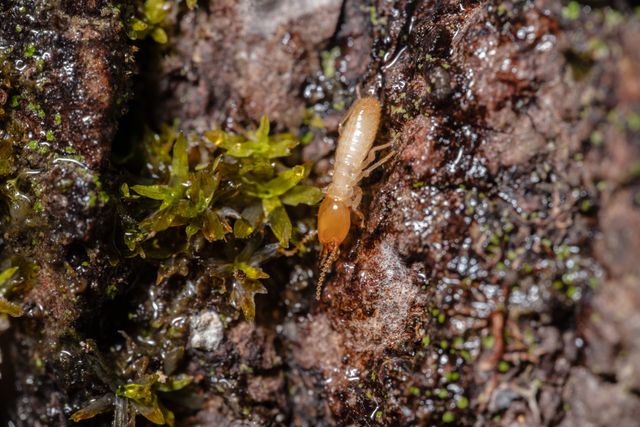
Winter often creates a false sense of relief when it comes to termite activity. Many homeowners assume colder temperatures stop termites entirely. In reality, termite risk does not disappear in winter. It becomes harder to detect. Termites are highly adaptive pests that continue functioning below ground and inside protected structures where temperatures remain stable.
From a professional perspective, winter is one of the most overlooked periods for termite activity. Reduced outdoor movement and limited visibility allow colonies to remain active without obvious warning signs. Understanding how and why termites persist during colder months helps explain why winter inspections are essential for protecting structural integrity.

How Termites Survive and Stay Active in Winter
Termites are not surface insects. They rely on soil contact, moisture, and protected environments to survive. During winter, colonies retreat deeper into the ground or further inside wood structures where temperatures are insulated from freezing conditions. Heated buildings, foundations, and basements provide ideal environments for continued feeding and expansion.
Key reasons termites remain active in winter include:
- Soil insulation that prevents freezing at colony depth
- Stable temperatures inside foundations and crawl spaces
- Continued access to moisture from soil and plumbing
- Ongoing wood consumption inside walls and framing
Because termites do not need to surface during winter, their presence often goes unnoticed. Structural damage can continue for months without visible signs, increasing overall termite risk even when exterior conditions appear unfavorable.
Why Winter Termite Damage Often Goes Unnoticed
One of the biggest challenges with winter termite activity is the absence of obvious indicators. Unlike warmer months, there are no swarming events or discarded wings that typically alert homeowners to a problem. Instead, termites feed quietly within wood and structural components, protected from view.
Professionals look for indirect indicators that are commonly missed, such as:
- Subtle changes in wood texture or hollow sounds
- Fine debris near baseboards or structural seams
- Moisture patterns that support concealed activity
- Mud tubes forming inside wall voids or foundations
These signs are easy to overlook during winter when homes are sealed, and visual inspections are less frequent. Without trained evaluation, termite risk can increase steadily while damage progresses beneath finished surfaces.
Structural Conditions That Increase Termite Risk in Winter
Winter introduces environmental conditions that can unintentionally increase termite risk. Frozen ground redirects moisture toward foundations, while indoor heating systems create condensation in enclosed areas. These combined factors produce conditions that support termite survival and movement within structures.
Common structural conditions that raise termite risk include:
- Poor drainage near foundation walls
- Wood-to-soil contact concealed by snow or debris
- Reduced airflow in crawl spaces during colder months
- Moisture buildup caused by heating systems
Professionals evaluate how these seasonal conditions influence termite behavior and colony placement. This approach reflects how integrated pest strategies help limit winter activity by addressing environmental contributors before visible damage develops, which is a core principle behind how integrated pest management works. Identifying and correcting these contributors early helps reduce long-term structural exposure.
Why Winter Is a Critical Inspection Window
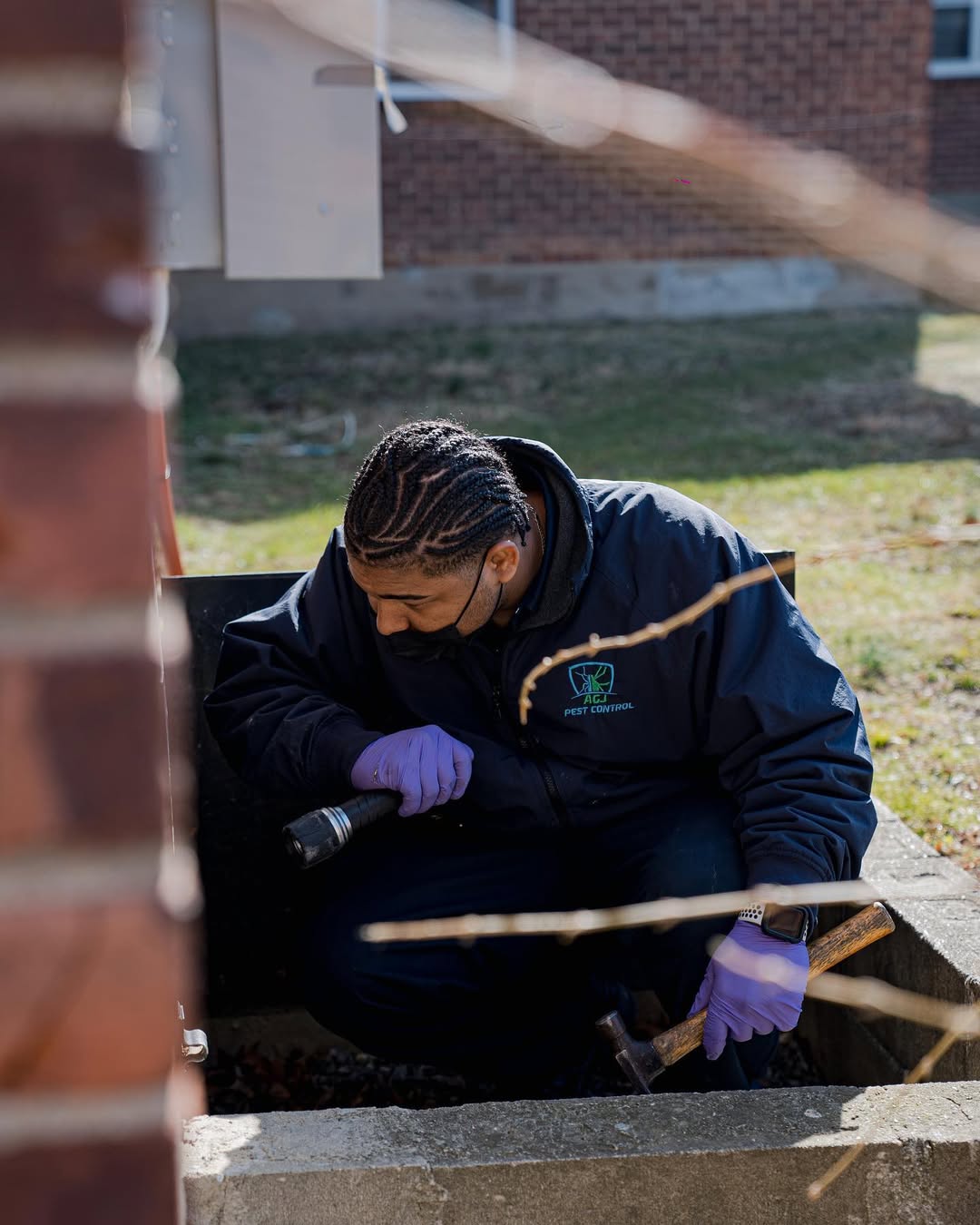
Winter provides a unique opportunity for effective termite evaluation. Colonies are typically concentrated in stable locations rather than spreading outward, making it easier to identify core activity zones. This containment allows professionals to assess conditions more accurately before population expansion resumes in warmer months.
Professional winter inspections focus on:
- Foundation walls and basement framing
- Crawl spaces and sill plates
- Utility entry points and moisture sources
- Structural wood concealed behind finished surfaces
Because termites remain active year-round, waiting until spring allows additional damage to accumulate. Winter inspections help identify activity while it is still localized, reducing repair complexity and long-term structural deterioration. Early detection also supports eco-friendly pest control by reducing unnecessary exposure while still protecting structural integrity throughout the winter months.
The Long-Term Impact of Ignoring Winter Termite Activity
Ignoring termite risk during winter does not pause the problem. Colonies continue feeding uninterrupted, often in critical load-bearing areas. Over time, this leads to weakened framing, compromised supports, and increased repair costs. By the time signs become visible during warmer seasons, damage may already be extensive.
Long-term consequences of ignoring winter termite activity include reduced structural stability, declining property value, and more invasive remediation requirements. From a professional standpoint, winter is a critical period for proactive evaluation rather than reactive treatment. Addressing termite risk early helps preserve structural integrity and prevents small issues from becoming costly repairs.
Professional winter assessments are not about responding to emergencies. They focus on prevention, accuracy, and long-term protection. This approach safeguards both the home and the homeowner from escalating consequences tied to delayed action.
Prepare Your Home Before Damage Escalates
If winter conditions raise concerns about hidden termite activity, professional insight can provide clarity and direction. Contact AGJ Pest Control to discuss inspection options designed to identify termite risk early and protect your home throughout the year.