29+ Google reviews
Few household pest issues cause as much frustration as recurring bed bug activity. Many infestations appear to disappear after initial treatment, only to resurface weeks or months later. This cycle is common, especially when control efforts rely on do-it-yourself methods. From an expert perspective, the resilience of bed bugs is not accidental. It is tied directly to their biology, behavior, and ability to remain hidden in protected indoor environments.
Understanding why these pests return helps explain the limits of DIY treatments and why long-term resolution requires a more comprehensive approach. Bed bugs are not surface pests. They thrive in concealed areas and survive conditions that eliminate many other insects, making partial treatments ineffective.

How Bed Bugs Survive Common DIY Approaches
DIY treatments often focus on visible activity. Sprays, powders, and home remedies are typically applied to mattresses, furniture surfaces, or baseboards. While this may reduce immediate sightings, it rarely reaches the full extent of an infestation.
Several survival factors allow bed bugs to persist:
- Ability to hide deep within seams, cracks, and wall voids
- Resistance to many retail insecticides
- Capacity to survive long periods without feeding
- Eggs protected from surface level treatments
Because eggs are not affected by many over-the-counter products, new generations can emerge after treatment appears successful. These newly hatched insects then repopulate sleeping areas, giving the impression that the infestation has returned when it was never fully eliminated.
Hidden Harborages That DIY Treatments Miss
One of the most significant challenges with bed bug control is locating all active harborages. These pests do not limit themselves to beds alone. They spread to surrounding furniture, wall junctions, electrical outlets, and even behind artwork.
Common hiding locations include:
- Mattress seams and box spring interiors
- Bed frames, headboards, and screw holes
- Upholstered furniture and cushions
- Baseboards, wall cracks, and outlet plates
DIY methods rarely address these areas thoroughly or safely. Treating only the bed itself leaves surrounding harborages untouched. Over time, bed bugs migrate back into sleeping areas, restarting the infestation cycle. Early detection helps reduce spread, which is why understanding early infestation signs is critical before populations become deeply established.
Why Inconsistent Treatment Timing Causes Reinfestation
Successful bed bug control depends on precise timing. DIY efforts often lack consistency or follow up, which allows surviving insects to repopulate. Many retail treatments require repeated applications, yet instructions are frequently misunderstood or abandoned once activity seems reduced.
Timing issues commonly involve:
- Failure to treat again after eggs hatch
- Gaps between applications that allow movement
- Treating some areas but not adjacent spaces
- Stopping treatment once bites or sightings decrease
Because bed bugs reproduce steadily under indoor conditions, missed treatment windows allow populations to rebound quickly. In multi-unit buildings, this problem becomes more complex. Untreated neighboring units can act as reservoirs, allowing bed bugs to move through shared walls and return even after aggressive DIY efforts.
How DIY Treatments Increase Dispersal
Another overlooked consequence of DIY treatments is pest dispersal. When bed bugs encounter irritants or incomplete treatments, they often move rather than die. This behavior spreads infestations across new areas of the home.
Dispersal commonly results in:
- Bed bugs relocating from beds to couches or closets
- Movement into wall voids and adjacent rooms
- Activity shifting to daytime or late night hours
- Infestations expanding instead of shrinking
This spread makes future treatment more complex and disruptive. Instead of addressing a localized issue, homeowners are faced with widespread infestation zones. Professionals anticipate this behavior and apply strategies that contain activity rather than forcing movement.
Why Integrated Strategies Prevent Recurrence
Effective bed bug control requires more than elimination alone. Integrated strategies focus on inspection, targeted treatment, monitoring, and prevention. This approach addresses all life stages while reducing risks to occupants.
Professional methods emphasize:
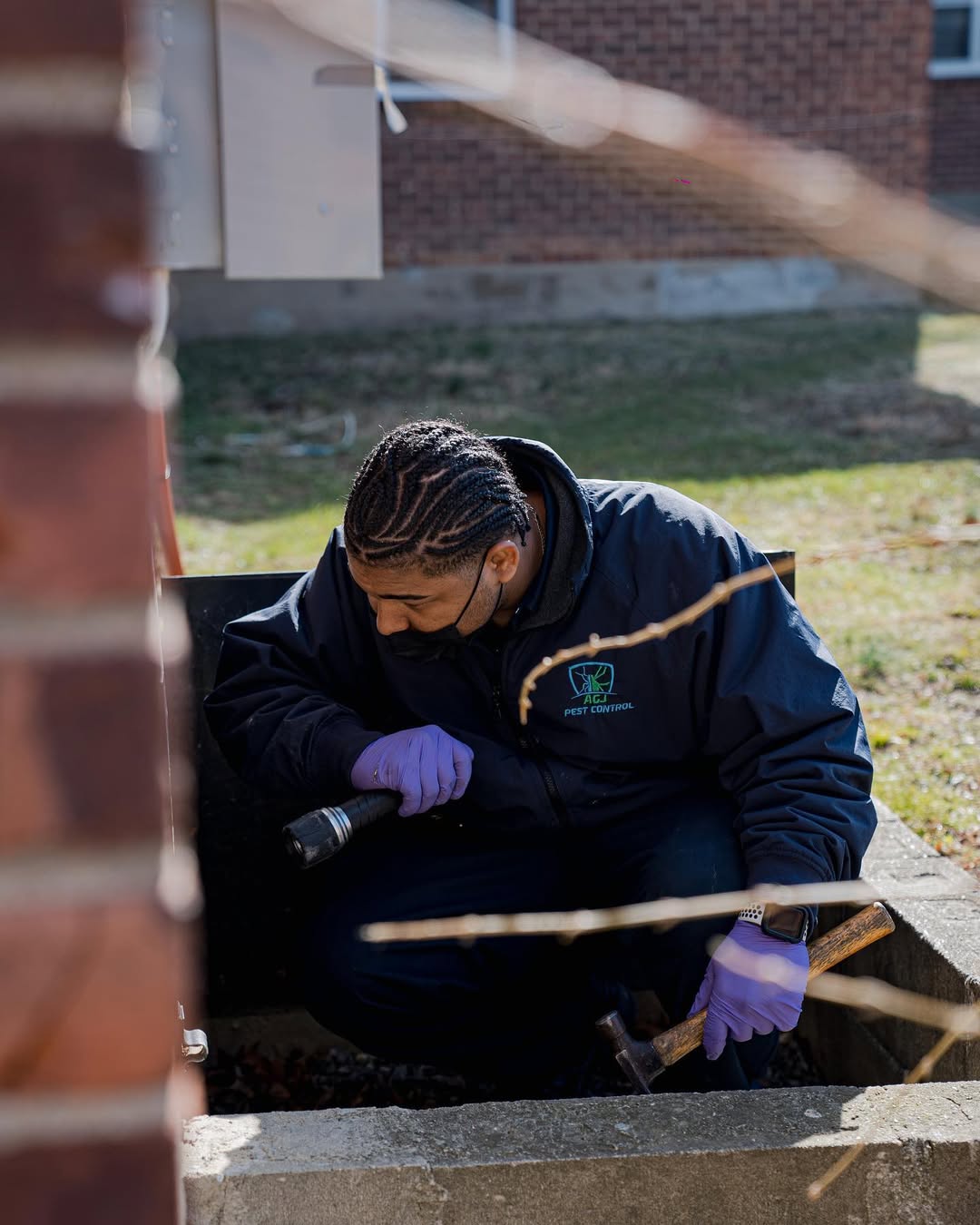
- Thorough inspections using specialized tools
- Treatments that reach hidden harborages safely
- Follow up visits to address emerging activity
- Preventive measures that limit reintroduction
Integrated approaches are especially important during colder months, when people spend more time indoors and bed bug activity increases in sleeping areas. A broader explanation of this method is outlined in this resource on integrated winter protection, which explains how layered strategies reduce recurrence and improve safety.
DIY methods often lack the scope and precision required to address infestations fully. While they may reduce visible signs temporarily, they do not account for the complexity of bed bug behavior or building environments. Professional oversight ensures that treatments align with pest biology rather than relying on trial and error.
When Restful Sleep Needs Real Solutions
Recurring bed bug issues are rarely resolved through surface treatments alone. Expert evaluation provides clarity, containment, and lasting control when infestations refuse to stay gone. To address the problem at its source and prevent future recurrence, contact AGJ Pest Control.