29+ Google reviews
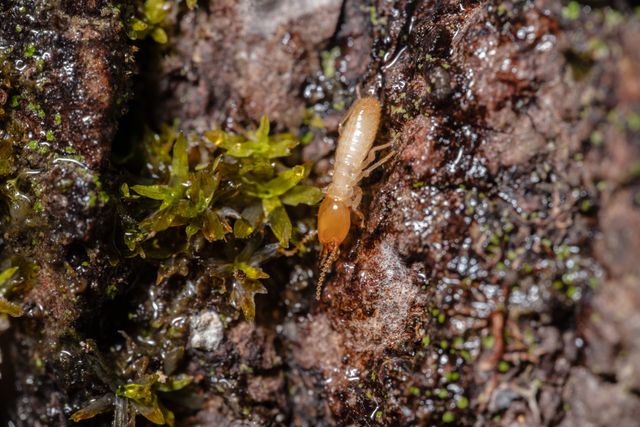
Termites rarely announce themselves clearly. Many infestations begin inside wood, behind walls, near foundations, or in structural spaces that homeowners do not inspect every day. By the time damage is easy to see, termites may have already affected trim, flooring, framing, or other wood materials. That is why early recognition matters.
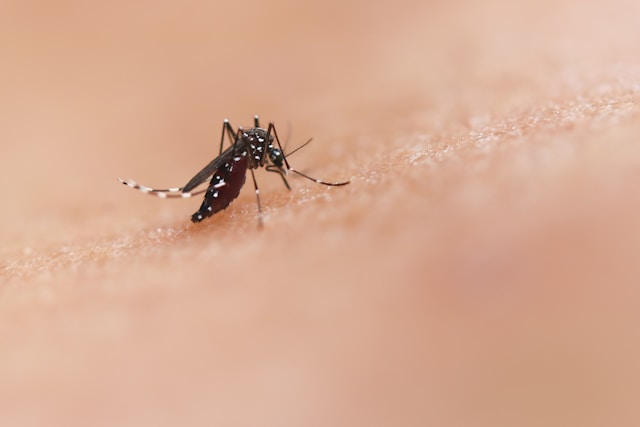
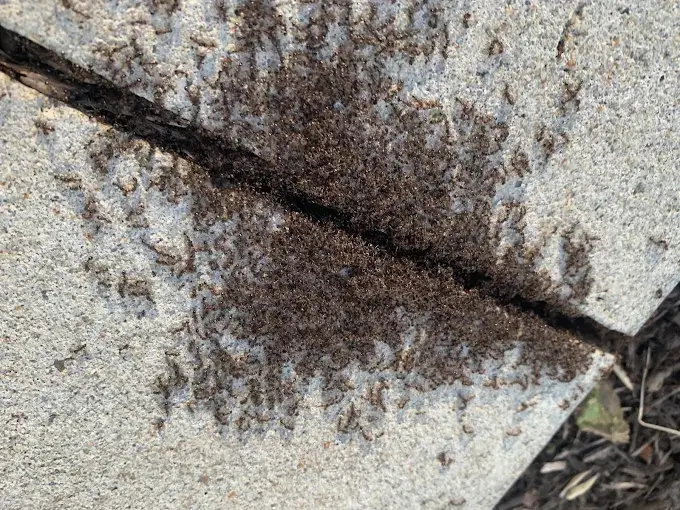
A termite infestation should be evaluated before it becomes obvious or widespread. In New York homes and buildings, termite activity may also overlap with other pest concerns such as ants, bed bugs, mosquitoes, cockroaches, spiders, mice, and wasps. The key is knowing which signs deserve attention and understanding that professional inspection can reveal activity hidden beyond the surface. Early action can reduce uncertainty, protect property value, and help prevent a small warning sign from becoming a larger repair concern.

Discarded Wings And Swarmers
One of the most important early signs is the appearance of termite swarmers or discarded wings. Swarmers are reproductive termites that leave a mature colony to start a new one. They may be seen near windows, doors, light fixtures, basement areas, or other places where light draws them.
- Wings may collect on windowsills, floors, or near exterior doors.
- Swarmers can be mistaken for flying ants without close identification.
- Indoor swarmers may suggest activity somewhere inside or near the structure.
- Seasonal sightings should be documented rather than dismissed as random insects.
Correct identification matters because ants and termites require different strategies. A professional inspection can determine whether the insects are termites and whether the source is active, nearby, or already affecting wood.
Mud Tubes And Hidden Travel Routes
Subterranean termites often use mud tubes to travel between soil and wood while protecting themselves from the open air. These tubes may appear along foundation walls, basement edges, crawl spaces, garage walls, utility penetrations, or structural joints. They can be narrow, dry-looking, or tucked into places that are easy to miss.
If termite activity is confirmed, the right treatment path depends on the location, species, structure, and spread. Understanding the fumigation process is useful because it shows why termite work must be planned carefully, especially when hidden areas are involved. Not every home requires the same method, and the decision should come after evidence is reviewed.
Mud tubes should not be treated as simple dirt lines. They are evidence of protected movement. Inspection helps determine whether they are active, abandoned, or connected to a larger termite infestation.
Wood Damage That Looks Subtle
Termite damage often looks minor at first. Wood may sound hollow, feel soft, show blistering, or appear slightly warped. Paint may bubble. Trim may look uneven. Flooring may feel weak in certain spots. These clues are easy to confuse with moisture damage, age, or normal settling.
- Hollow-sounding wood can suggest internal feeding.
- Soft trim or baseboards may indicate damage below the surface.
- Bubbling paint can appear when termites or moisture affect the wood beneath.
- Sticking doors or windows may point to shifting or damaged framing.
Not every wood issue is caused by termites, but these signs should be evaluated. A trained inspection can separate termite evidence from water damage, wear, or other structural concerns.
Regular Inspections Protect Property Value
Termites can remain hidden for long periods, which makes routine inspection one of the most practical ways to protect a property. Waiting for clear damage may increase repair costs and limit treatment options. Regular inspections create a record of conditions, warning signs, and changes over time.
A professional pest inspection can also identify other concerns, including ants, bed bugs, mosquitoes, cockroaches, spiders, mice, and wasps. This broader view matters because moisture, cracks, storage, exterior debris, and entry points may support more than one pest problem.
Inspection is especially important before buying, selling, renovating, or repairing wood areas. It helps property owners make informed decisions before damage becomes more costly.
Moisture And Entry Conditions Matter
Termites are often connected to conditions around the building. Moisture, wood-to-soil contact, cracks, leaking pipes, damp basements, poor drainage, and damaged exterior wood can all increase risk. Early signs may appear near these problem areas before termites are seen directly.
- Damp foundation edges can create favorable termite conditions.
- Wood touching soil can provide easier access to structural materials.
- Leaks near bathrooms, kitchens, or utility areas may support hidden activity.
- Exterior damage can expose wood to pests and moisture.
A termite infestation is easier to manage when risk factors are identified early. Professional evaluation does more than confirm the presence of termites. It helps explain why the activity is happening, where the vulnerable areas are, and what treatment or follow-up may be needed. With the right inspection, property owners can respond based on evidence instead of waiting for more obvious damage.
Protect Your Property Before Damage Spreads
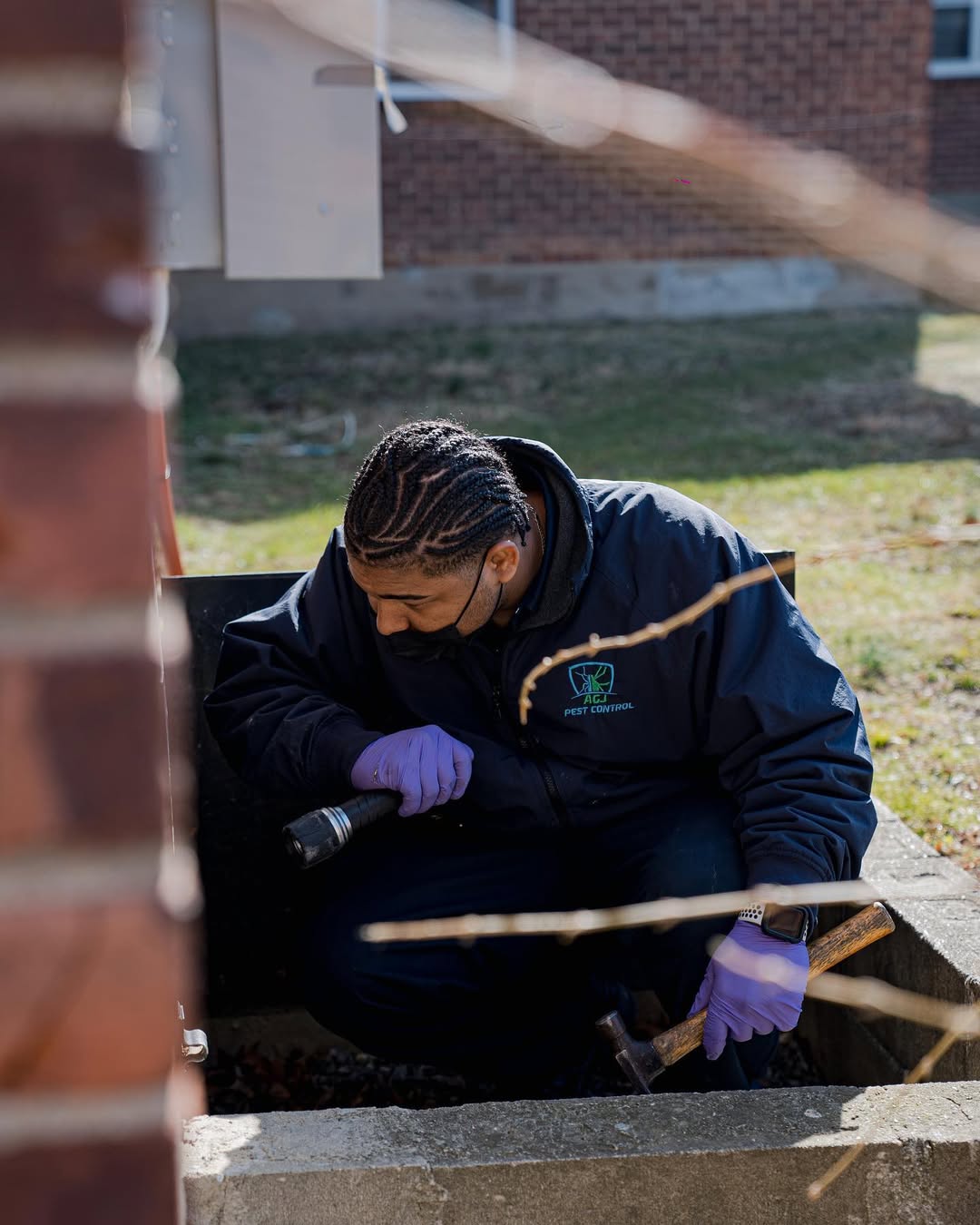
For termite infestation concerns, early warning signs, and inspection-based treatment planning, contact AGJ Pest Control for professional support shaped around New York homes, commercial properties, and long-term structural protection.